



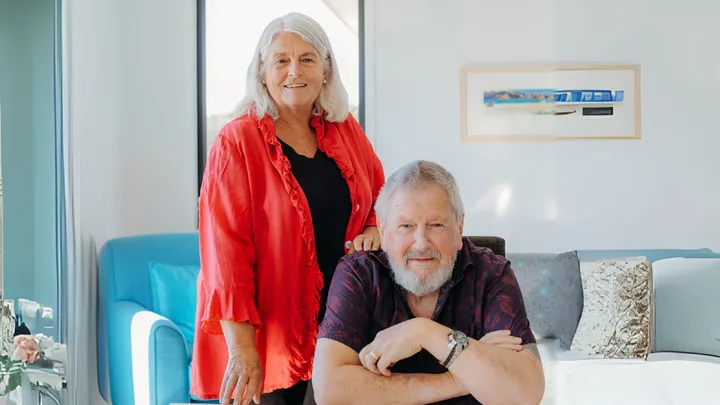
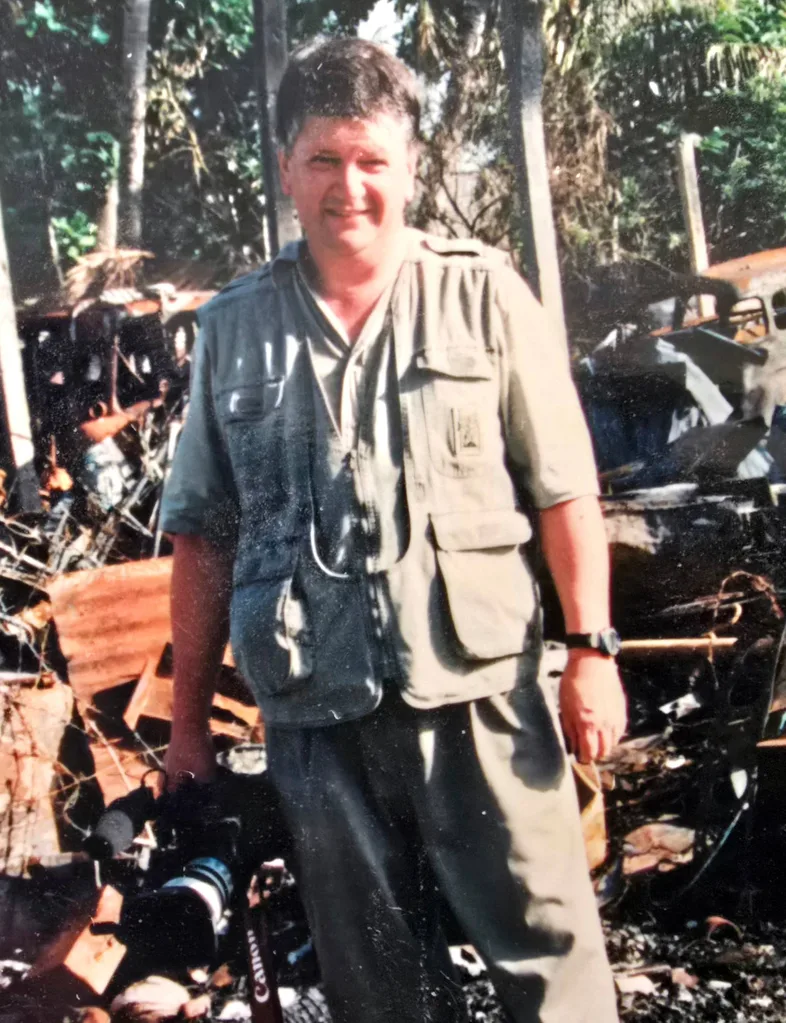
Veteran TV broadcaster and author Rob Harley, 71, has devoted much of his career to telling stories of people who, after experiencing the worst that can happen, had found the solutions to pushing past life’s “quitting points”.
Rob overcame his own quitting point too, when after his liver failed in 2016, he found his mental health unravelling following transplant surgery. Emerging out the other side – thanks to some therapy, great family support and mates – the father of two now walks alongside others who are suffering on life’s edge.
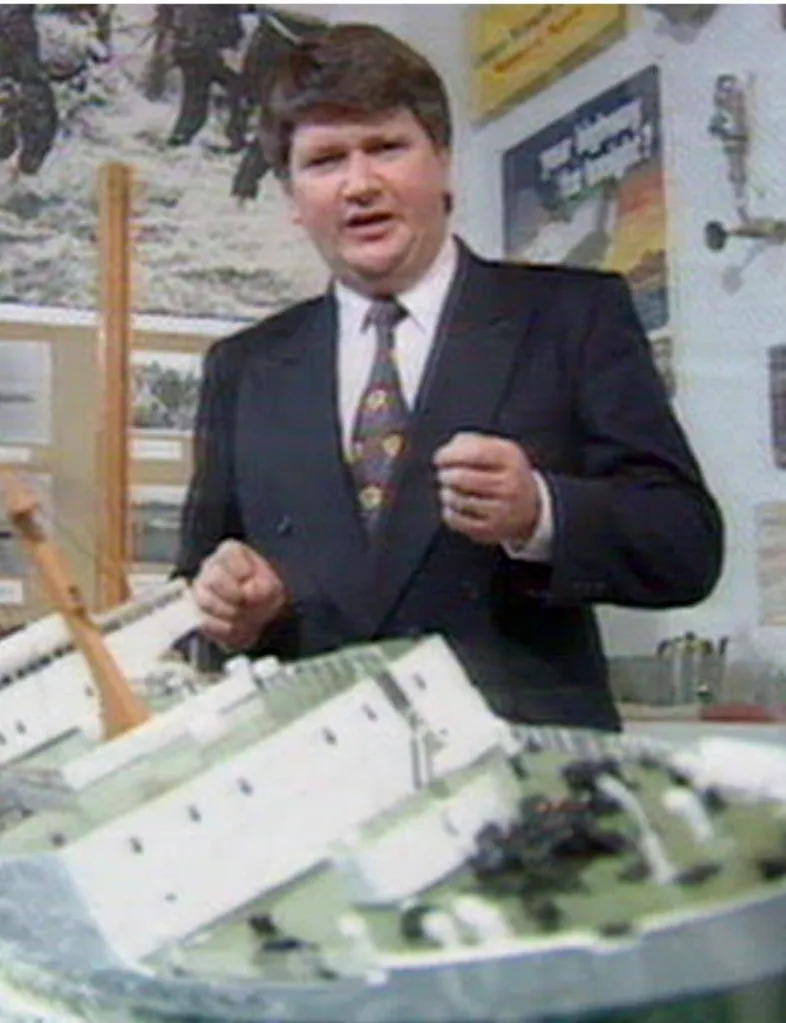
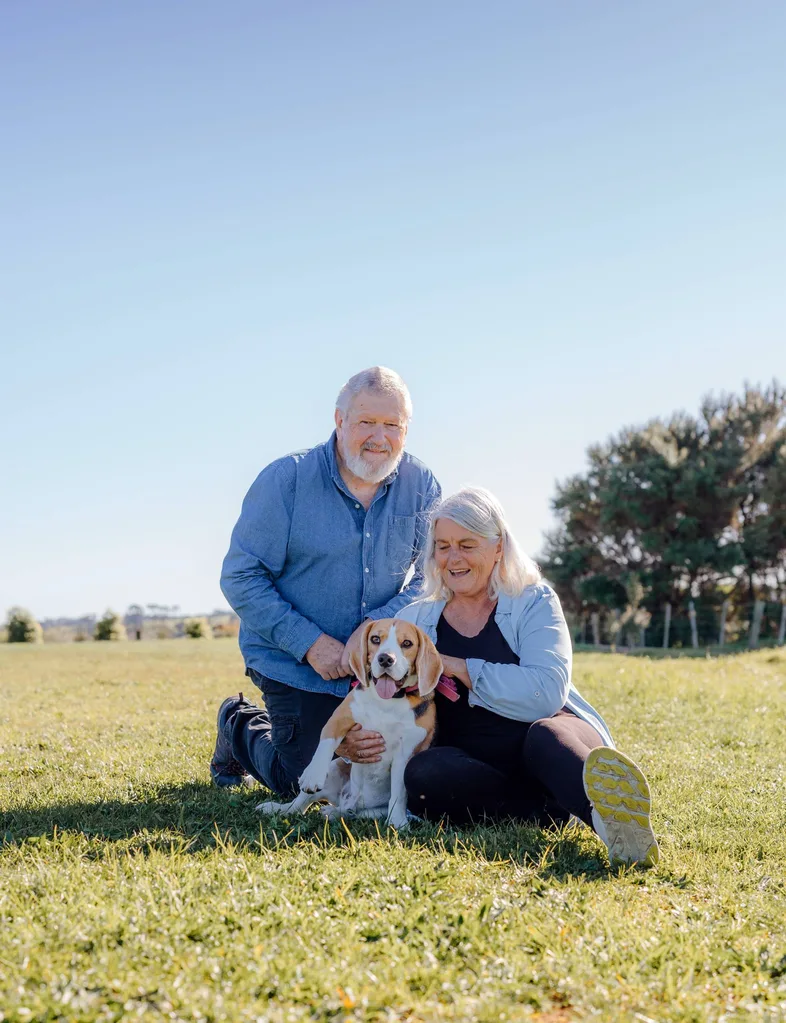
Rob’s new book Relentless is out now. Written from his home in South Head, overlooking the shores of the Kaipara Harbour, where he lives with wife Alison and a beagle named Bagel, it recounts tales of those who have overcome adversity and found their own survival mechanisms.
How are you doing and can you talk us through what happened with your liver?
I’ve been keeping in really good health. The liver failure was a result of some complexities in my life. I had a very brilliant business partner – we made documentaries together – but we parted company. Then she came back on the scene looking very unwell… I was aware she suffered from depression. A few days after she came back to renew our creative relationship, I got the news that she had died by suicide. I felt a huge sense of responsibility for that. So I fell into a major depression hole and couldn’t climb out. I sought to dull the pain with booze and got cirrhosis of the liver over a six-year period. It was only due to getting sober for six months that my liver specialist put me on the transplant list for a new one. I almost didn’t make it.
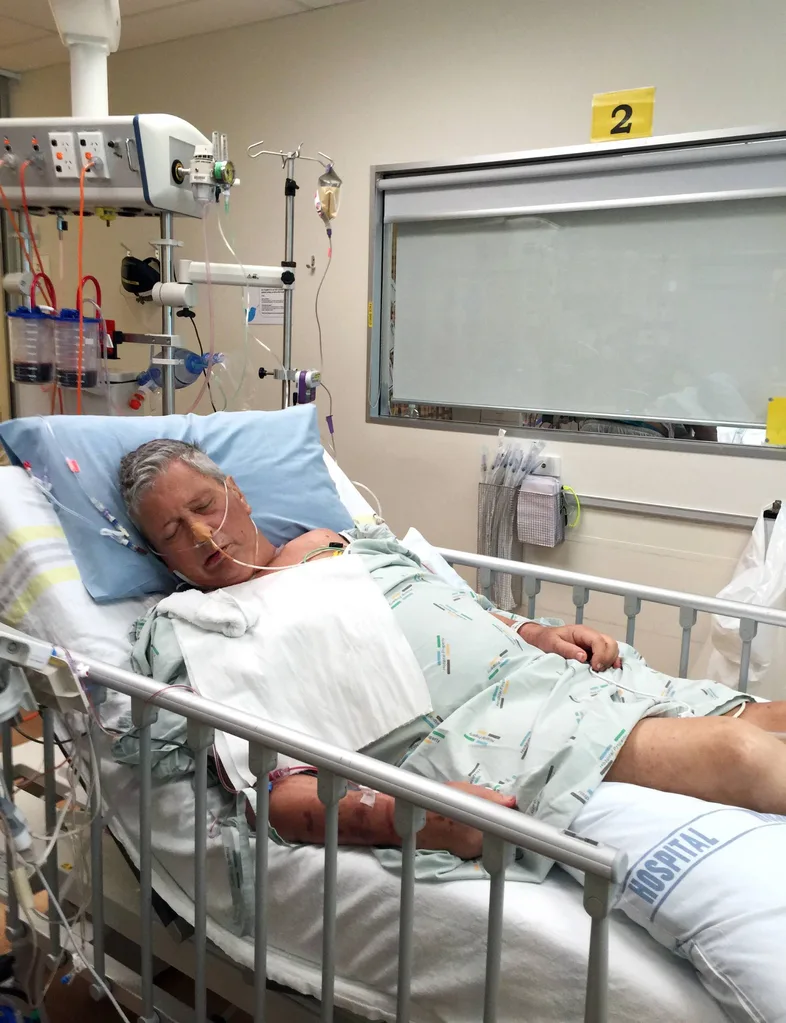
And your wife Ali sent messages from hospital telling friends to come and say their goodbyes?
Yes and my best mate got interviewed by TVNZ as they prepared my eulogy for the 6pm news that night. I later saw my medical notes from a morning meeting on September 25.
The doc had written, “Rob is expected to pass away today.”
But I had a genius liver specialist, Dr John Perry.
When I asked him how I survived, he replied, “Ah, we figured it out.” It was an astonishing time. A key reason I am alive is that someone ticked “Donor” on their driver’s licence application.
Months later, I wrote to the donor’s family.
Were you warned that people undergoing transplants often suffer from depression afterwards?
Oh, I knew people who it had happened to. My descent into a real heavy depression post-transplant wasn’t until six months later – I went into an even deeper hole than I’d been in before I got sick. There are about three years of my life that are completely gone from my memory. According to my diary, I went to Australia, Fiji and Romania, producing mini-documentaries. However, to get out of bed each day was just the most herculean task. But I had some good meds, good people in the psychiatric area and good mates who would text me.
There was one guy who would say, “Rob, nought to 10, how are you doing today?” I remember one day replying, “Minus 15.” He would say, “Okay, let’s get you up to a two tomorrow.”
Guys like him wouldn’t let go of me. To have people like that who are in your corner is lifesaving. Ali stood by me and so did my kids. [The couple have a 39-year-old son who’s a neurosurgeon in Brisbane and a 33-year-old daughter who is a TV producer in London.] I was so deeply grateful for my family’s love during the tough years.
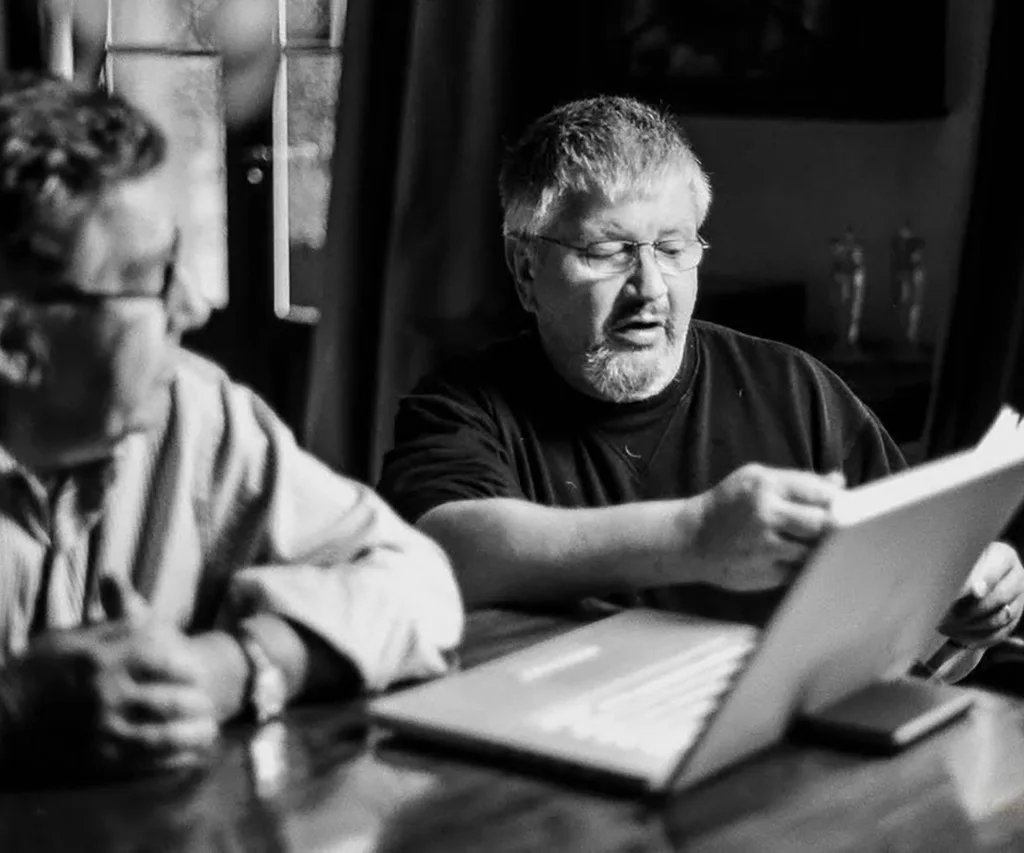
How has that experience changed you?
It’s motivated me to walk alongside as many people as I can who are hurting, asking not “How are you?” but, “How are you really?” They don’t want you to carry their burden – they want you to be there and hold their hand. It’s like Ernest Hemingway said: “Sit with me until the dawn breaks and I remember who I am.”
Your new book shares the stories behind the stories of those you’ve covered, like Sophie Elliott’s death. Was there trepidation approaching her parents six weeks after the tragedy?
In those situations, you acknowledge upfront that you are intruding.
I begin with an apology for even asking to tell their story and saying, “I’m probably the last person you want to talk to.”
Generally, it disarms them because people are used to being treated by the media as a commodity. I walked alongside the Elliott family for over a year and we became close. When I select stories to tell, I look for people who are on the “solution” side of life, as Sophie’s mum Lesley tried hard to be, helping other women not to end up in the kind of toxic relationship that ended Sophie’s life.
There’s a chapter on working with the late Sir Paul Holmes for a year-long investigation into the scourge of methamphetamine.
I went into making that doco with some delicacy. I felt for him watching the struggle that a member of his own family had with P. Paul and I hadn’t had a conversation for 15 years, but on a whim, I rang him up. As we hung out with ex-addicts and victims around the country, I saw a level of vulnerability in Paul, but also basic kindness and a soft heart for people.
He would sit in the back of my Holden V8 as I drove and he had a special ability to be incredibly self-reflective, questioning what he might have done differently in his life. Paul was such an energetic guy whose brain was constantly questioning things.
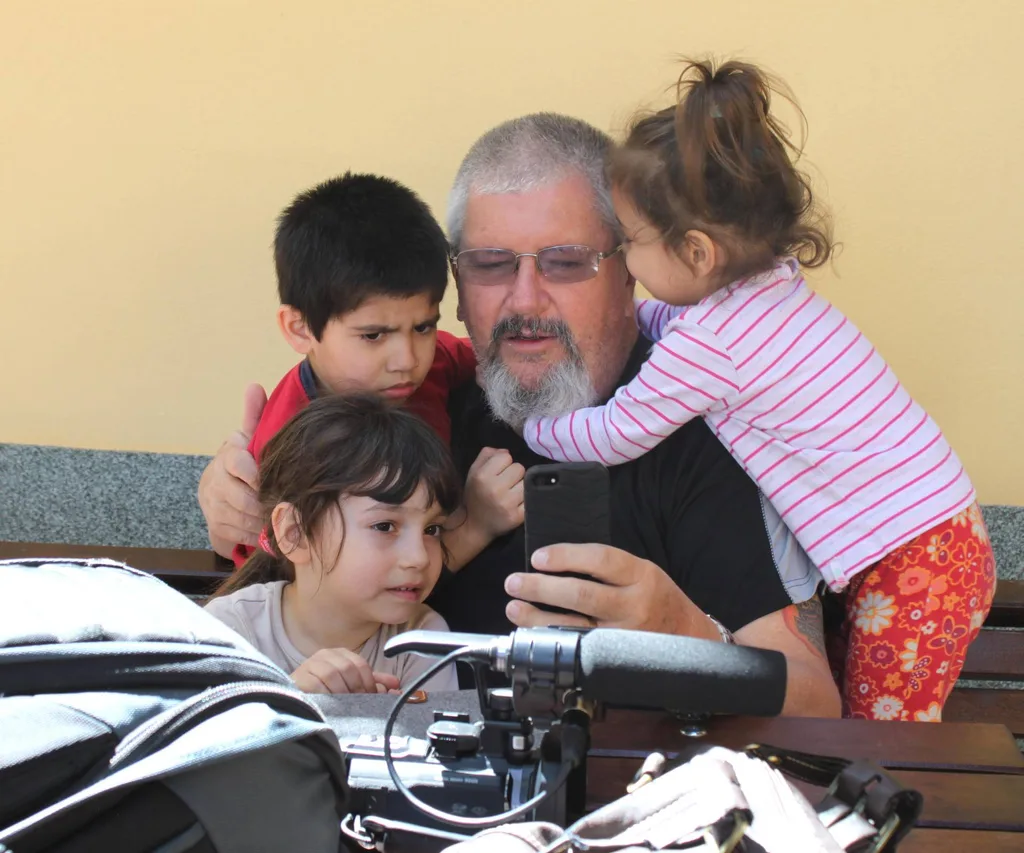
What else have you been up to?
I’m giving talks to the University of the Third Age (u3a.nz) and people in retirement villages. I’ve also been finishing a documentary about a rock tribute band called The Pink Floyd Experience – a bunch of musicians from Lower Hutt who’ve been going for 29 years. I went to their concert and just fell in love with them.
Were you ever in a band?
A mate from Westlake Boys’ High School and I formed a band in our late teens and we used to play at the Helensville Grand Hotel on a Saturday night. He and I also ended up failing Law School together, before we did the Journalism Induction course at ATI.
What was your first job?
It was a medical reporter for Radio Hauraki. I was 19 and learned the best way to get stories was to make friends with doctors and hang around the hospital.
How did you end up advocating for a new children’s hospital in that role?
One day, Sir Bob Elliott, then professor of paediatrics at the Auckland Medical School, asked to show me something. We wandered over the road to what was the Princess Mary Hospital. It was basically a bunch of ex-American army huts, put on the side of Auckland Hospital in the 1940s to take in wounded US soldiers. They built another one called Cornwall Hospital – I was born there. Bob took me in one room where cockroaches scattered everywhere and a hole where rats came through.
He explained they had a 100 percent cross-infection rate. I thought this was disgusting and started doing stories about it for News at Ten on TV2. Bob showed me all the paperwork where he had written to the government asking for a proper children’s hospital. About the same time, Auckland Star reporter Donna Chisholm picked the story up. Between us, we did what you’d call “advocacy journalism” and to be truthful, I always thought Donna was better at it than me!
Two years later, Bob rang, saying, “I’ve got a plaque here with your name on it. The buggers in Wellington relented and we’re going to get a new children’s hospital – Starship.”
I don’t tell that story to say “Look at us”, but to make the point that dogged journalism can be a lightning rod for change. I never saw that plaque either – he was probably pulling my leg.
How did you meet your wife?
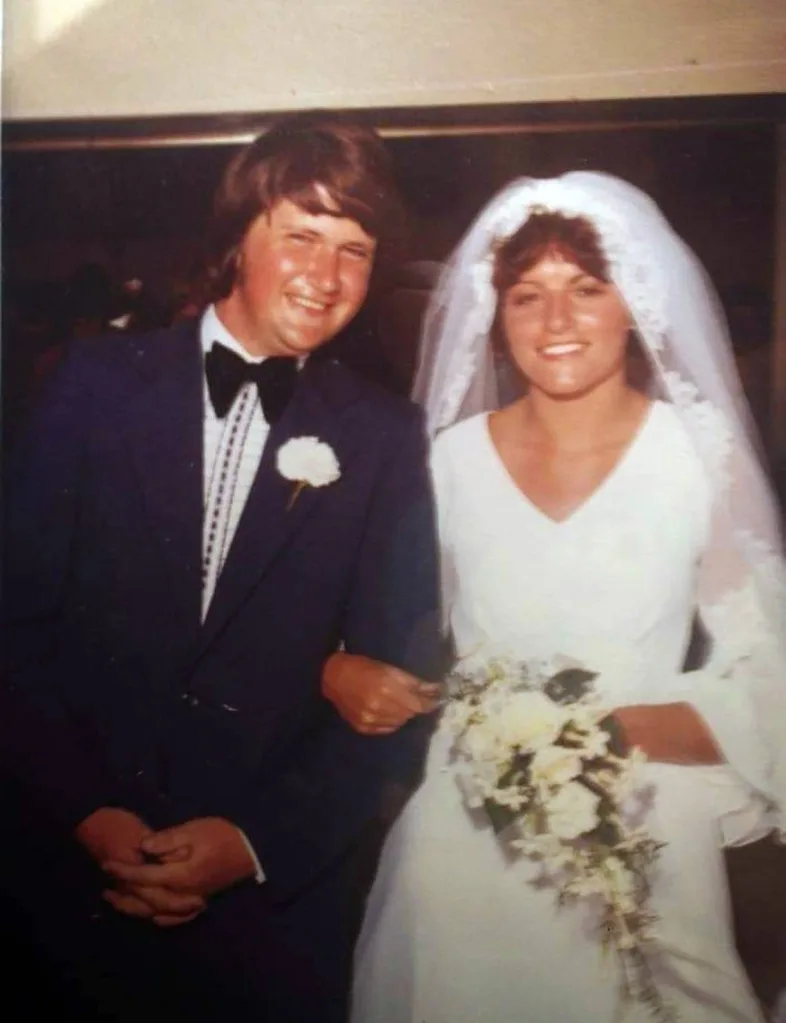
In 1976, she’d done the journalism course at Wellington Polytech. I returned to the TV One newsroom after the holidays and there was this beautiful young woman sitting there. I didn’t fancy my chances – Alison was way out of my league. I drove a noisy old Chrysler Valiant and saw her at the bus stop one weekend, holding a mop and bucket going back to her new flat. I picked her up and we hit it off. In January, we’ll have been married 48 years. She’s my rock.
Were you always a Harley-riding, tattooed biker or was there a reinvention of Rob?
Yeah, there was! I first rode a motorbike at 18. However, it was years later when I was driving onto State Highway 16 one day that this crowd of 20 bikers came by – all on Harleys – and I thought, “That’s so beautiful! I want to be with them.” All I could afford was a Suzuki Boulevard, but I knew I had to get into Harleys, especially given my surname. I’ve since had six of them.
Future goals?
My dream is to own a Harley Rocker C. My brother and I always talked about riding Route 66 together in the US. He’s 70 next year – if we could ride that together, I’d die happy.
To purchase Rob’s book Relentless, visit robharley.co.nz/shop
HELP IS HERE Suicide Crisis Helpline: Phone 0508 828 865 (0508 TAUTOKO).
Depression Helpline: 0800 111 757 or free text 4202 (to talk to a trained counsellor about how you are feeling or to ask any questions).
Anxiety NZ: 0800 269