




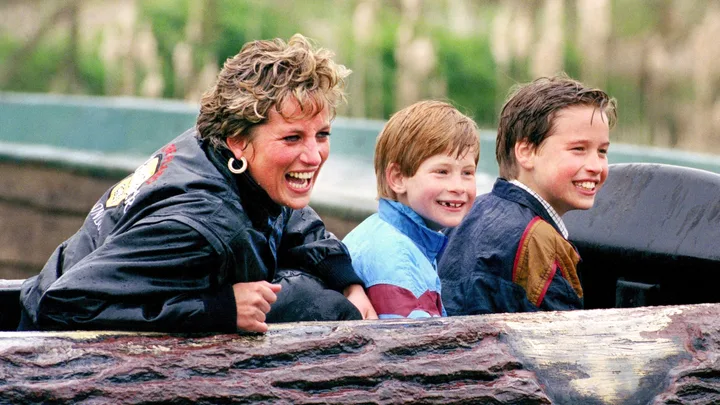
Nobody could have predicted the impact a shy young kindergarten teacher would have on the world when it was revealed in 1980 that Lady Diana Spencer was the latest in a long line of blueblood women Prince Charles had wooed.
Princess Diana went on to become the most famous woman in the world, admired for her style and beauty, but also for her kindness and compassion, and for how she used her platform to promote causes close to her heart.
Behind the glamour and the life of privilege, Diana dealt with intense public scrutiny and the failure of a marriage that left her heartbroken. It may have been nearly 30 years since she died, but she remains a cultural icon, beloved for the way she touched so many lives and helped the monarchy feel a little more human.
The beginning
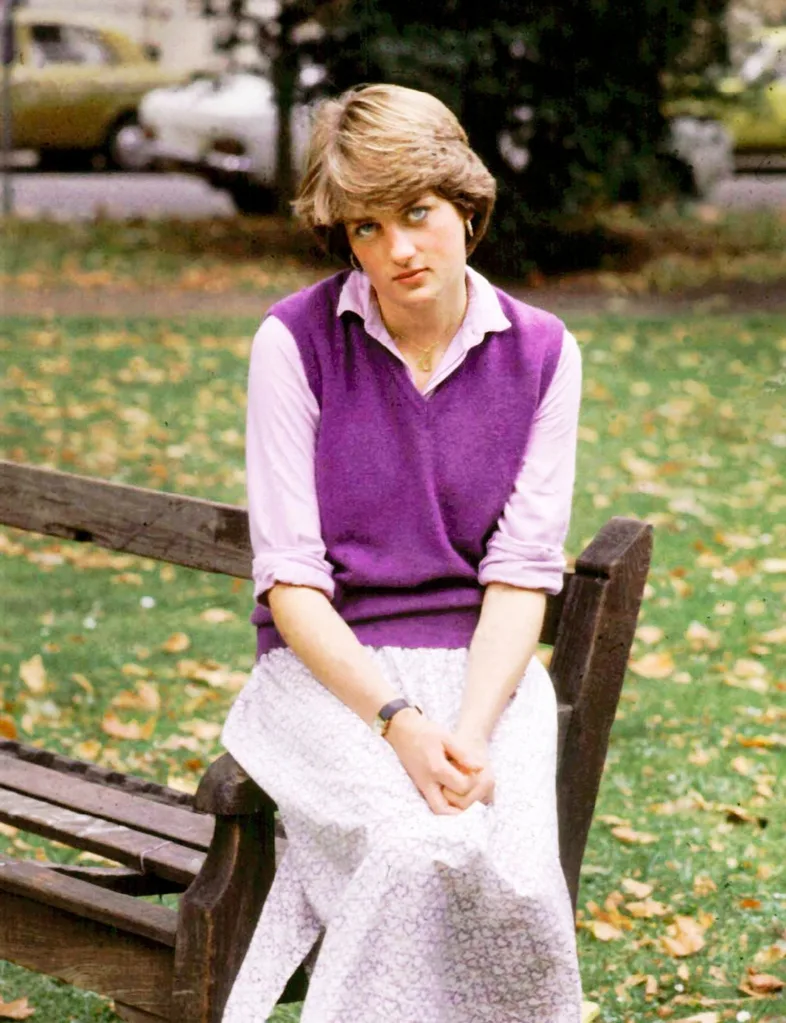
At 19, Lady Diana Spencer caught the eye of the world’s most eligible bachelor, Prince Charles, then 31, who had once dated her older sister Sarah. Nicknamed “Shy Di” by the media, the daughter of Earl John Spencer seemed like the ideal bride because she had no “romantic history”.
The engagement
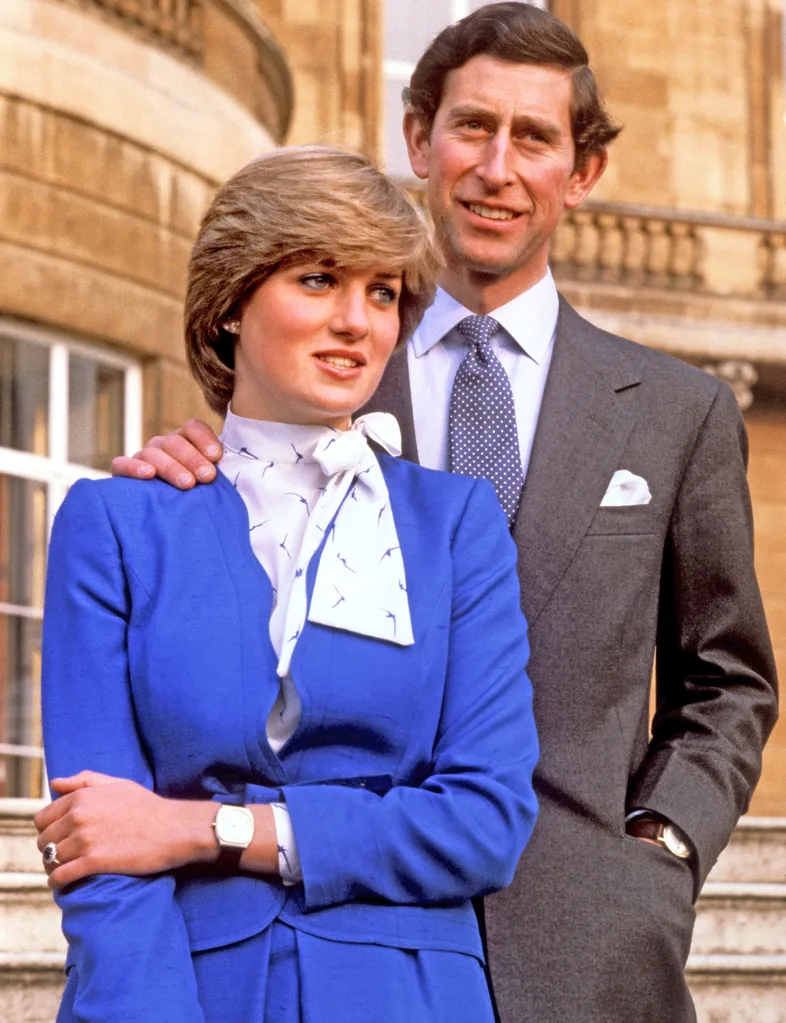
After dating for just six months, Charles and Diana announced their engagement on February 24, 1981. Diana, sporting a magnificent diamond and sapphire ring, answered, “Of course,” when an interviewer asked if they were in love. Charles replied, “Whatever in love means,” a response that left her distraught.
The wedding
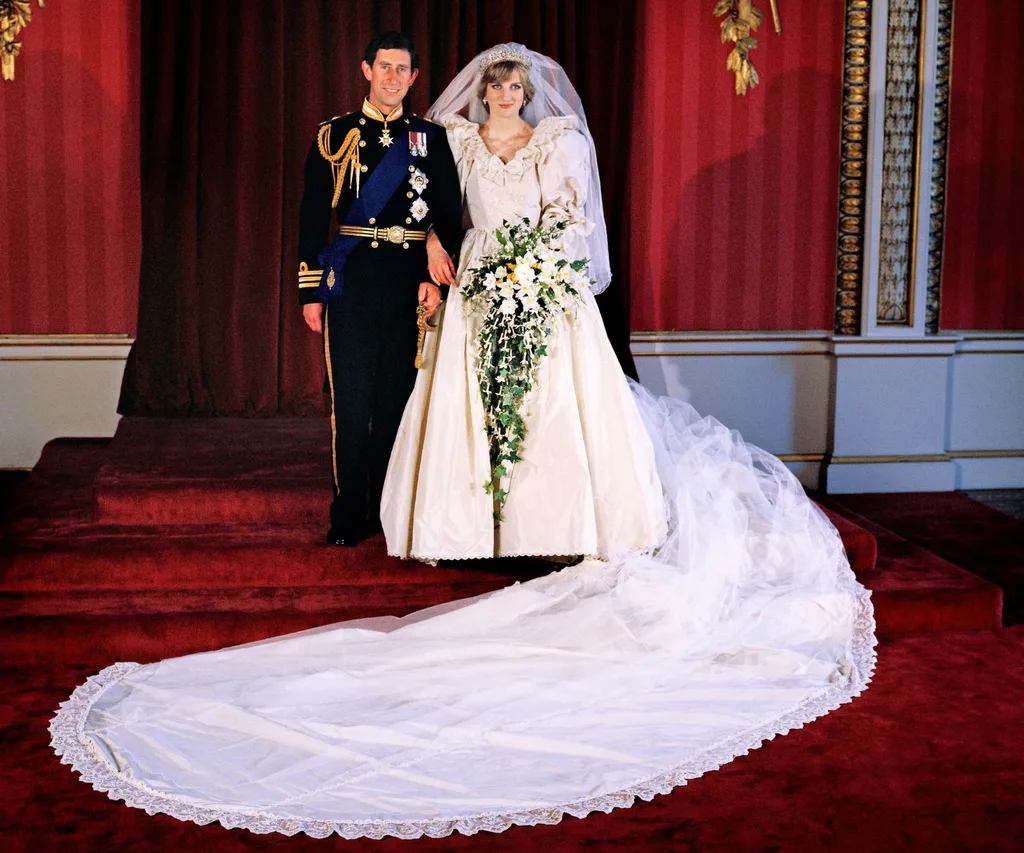
An estimated 750 million TV viewers around the world watched as Lady Di became the Princess of Wales in a fairytale wedding at St Paul’s Cathedral on July 29, 1981. The bride, who’d turned 20 just a few weeks earlier, was stunning in an ivory silk taffeta and antique lace gown.
Motherhood
Diana and Charles’ first three years of marriage brought the birth of their sons, Prince William and Prince Harry. A very hands-on mum, who wanted to give her boys as normal an upbringing as possible despite their royal status, she once said, “I live for my sons. I would be lost without them.”
The Humanitarian
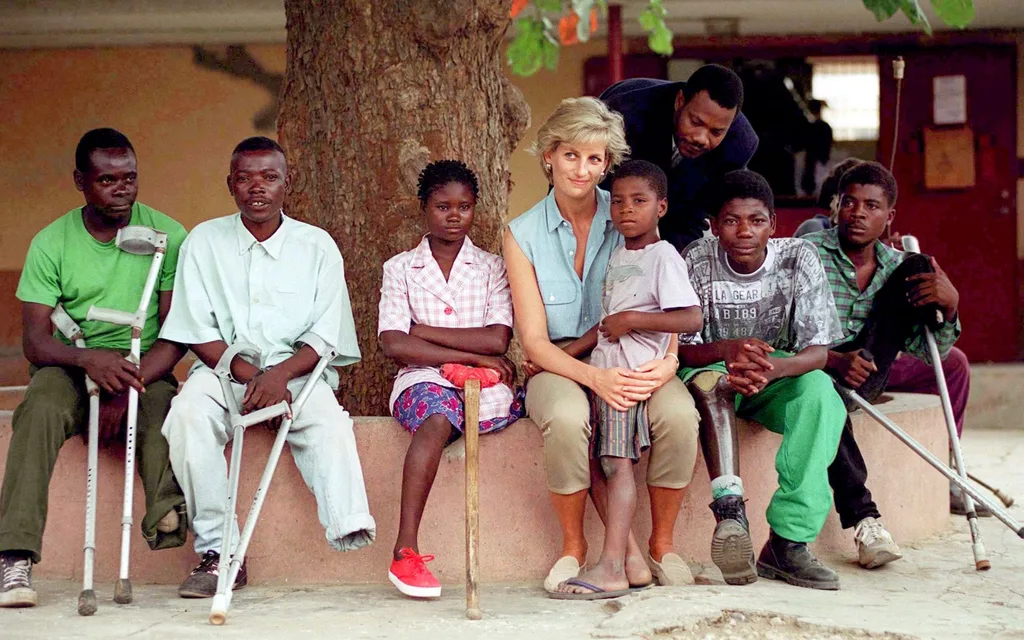
Diana was determined to use her public profile to make a difference to the world. She changed public attitudes to AIDS during her marriage and she spent her final years carrying out humanitarian work, such as raising awareness of the dangers of landmines by walking through an active minefield in Angola.
Finding herself
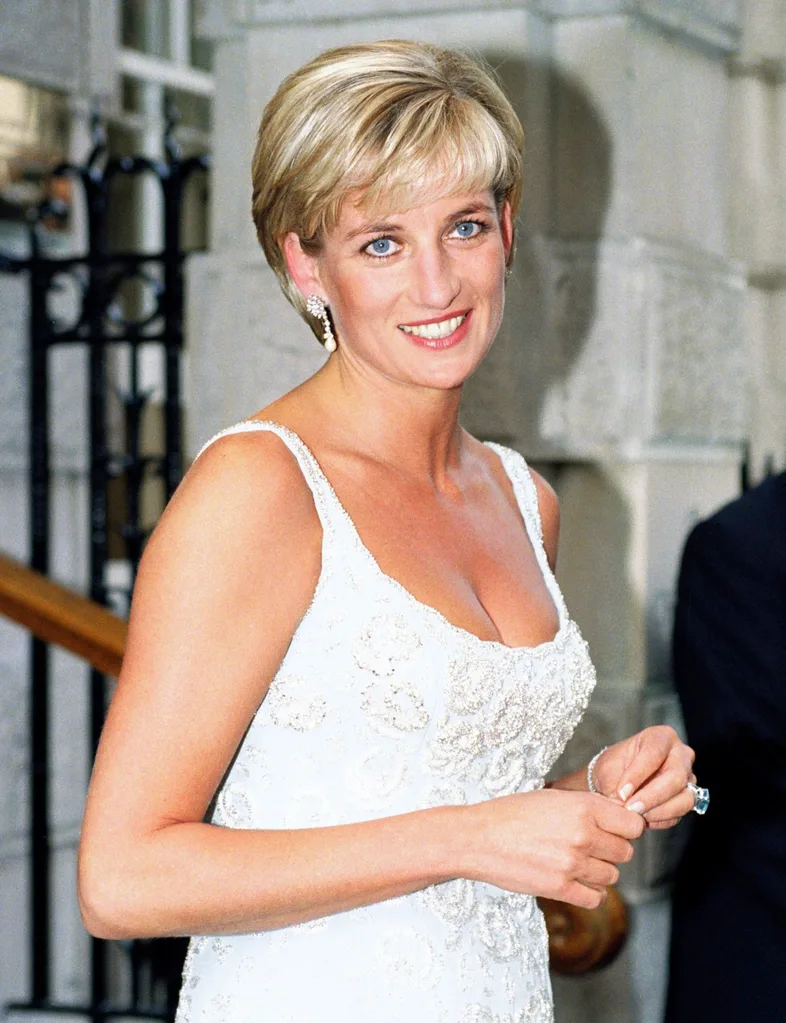
She may have lost her HRH title when her marriage ended, but Diana finally found herself. Her new status gave her the freedom to decide what mattered to her, and from the ashes of a troubled relationship emerged a strong and confident woman who finally seemed comfortable in her own skin.