




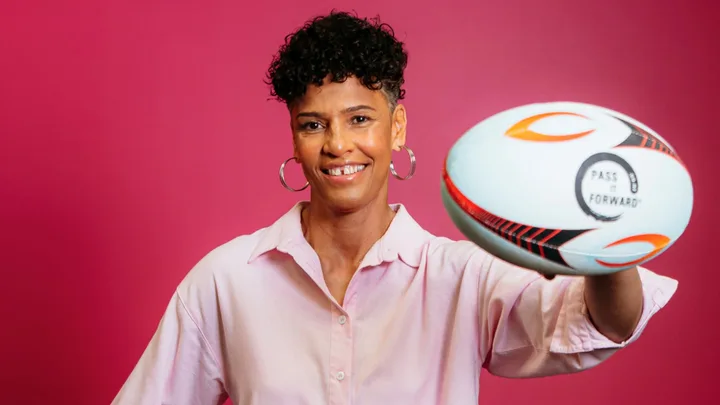
 Photography: Amalia Osborne.
As one of the first professional female rugby players in the United Kingdom, Paula “Georgie” George has always pushed boundaries. Though she called time on her days on the field long ago, she’s still fighting for women in sport. In recent years, she has become co-owner of the Northern Kahu women’s basketball team, despite knowing little about the game.
But with her twins, daughter Taylor and son Jacob, she has had a fresh reminder of why making girls feel welcome on the field is so important.
“Taylor has mostly played ripper rugby, but last year all her friends decided not to play, so she pulled out,” explains Georgie, who shares the twins with her wife Jo Caird, the first official photographer of
The All Blacks.
“I was devastated,” she recalls.
“She was really good and she had so much fun, but none of her friends were playing.”
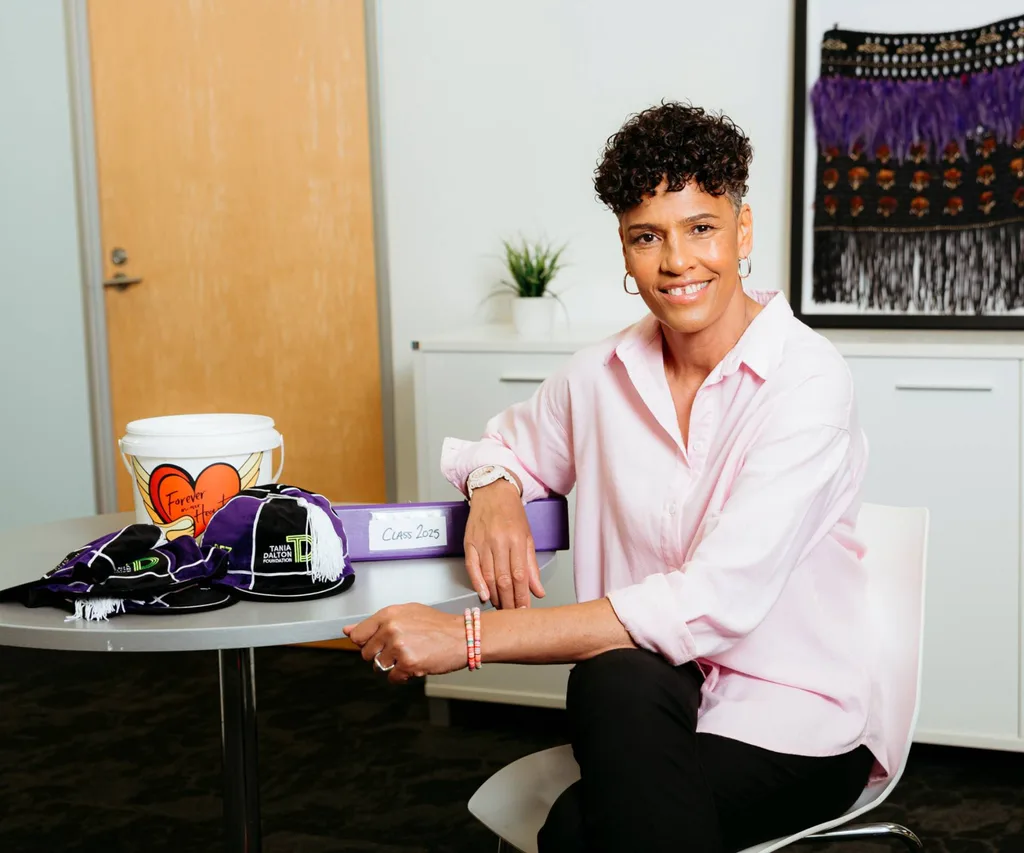
Taylor finds her team spirit
Happily, Taylor has since found a friendly group of girls at school who invited her to join their football team. Meanwhile, when it came to Jacob, Georgie’s biggest worry was what code he would play.
“I went away and quietly sobbed because he wanted to play football, not rugby,” she tells with a smile.
“A year and a half later, he said, ‘I think I’d like to try rugby.’ And that afternoon, I’d already signed him up!”
Sport shapes a life
For Georgie, it’s not just about keeping her children active – she credits her sporting career with giving her the life she has today. She grew up as one of the few non-white kids in a small Welsh village where almost no one moved away. It was her talents on the netball court that were her ticket out. Less than two years after she started playing in high school, she joined the Wales international squad.
But it was on her OE in New Zealand in 1990, where she stayed with Laurie O’Reilly, the first coach of the Black Ferns, that she discovered her real passion – rugby.
“I loved netball, but I felt it was restrictive,” Georgie says.
“I got fed up standing at the side of people all the time! With rugby, I could take my physicality to the next level. For women in my day, it was unusual – there weren’t many places you could do that.”
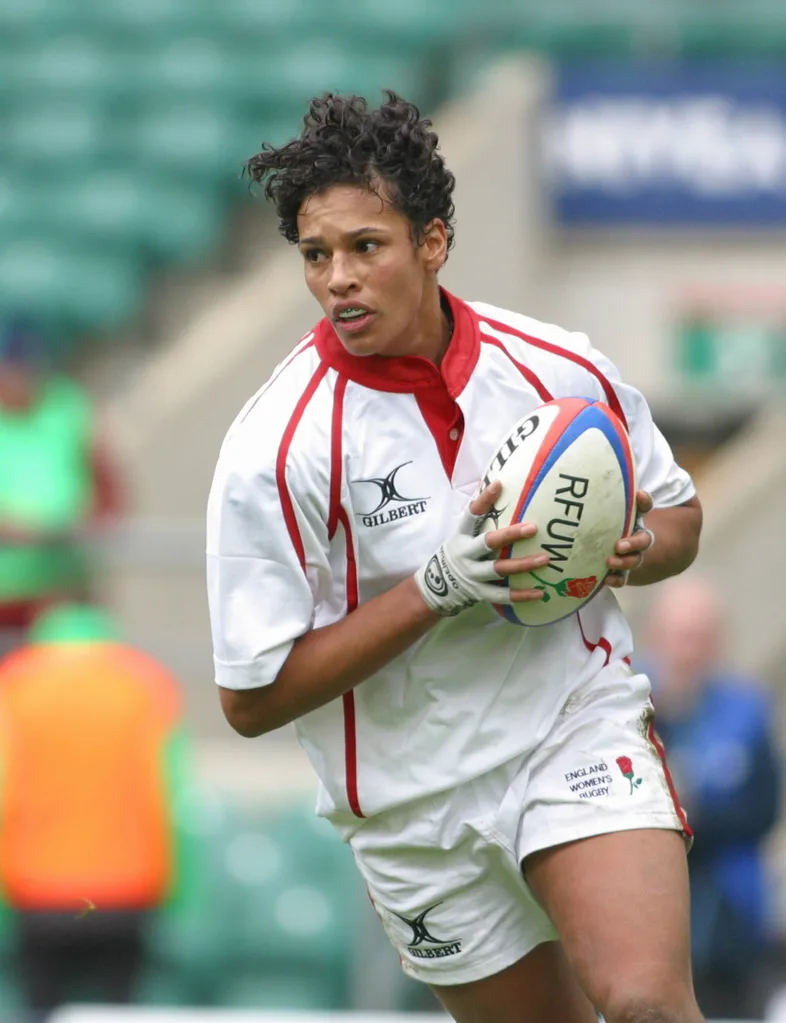
From netball to rugby glory
A year later, she concluded her netball career, competing at the World Cup. Then she took part in the first-ever women’s Rugby World Cup, all while completing her university degree. What followed was a career that spanned more than a decade, during which Georgie won gold at the 1994 Rugby World Cup and was named captain of the England national team, the Red Roses, in 2000.
She says the team was constantly fighting for the basics and at that time, mostly playing for the passion as they had very few followers. But she wouldn’t change a thing.
Living the dream
“I got to live my dream,” she smiles.
“I knew I wanted to be a sportswoman from quite a young age, but I didn’t know how to get there.”
These days, Georgie runs the scholarship programme for the Tania Dalton Foundation. At any one time, they support 38 young athletes through the challenges of forging careers in sport.
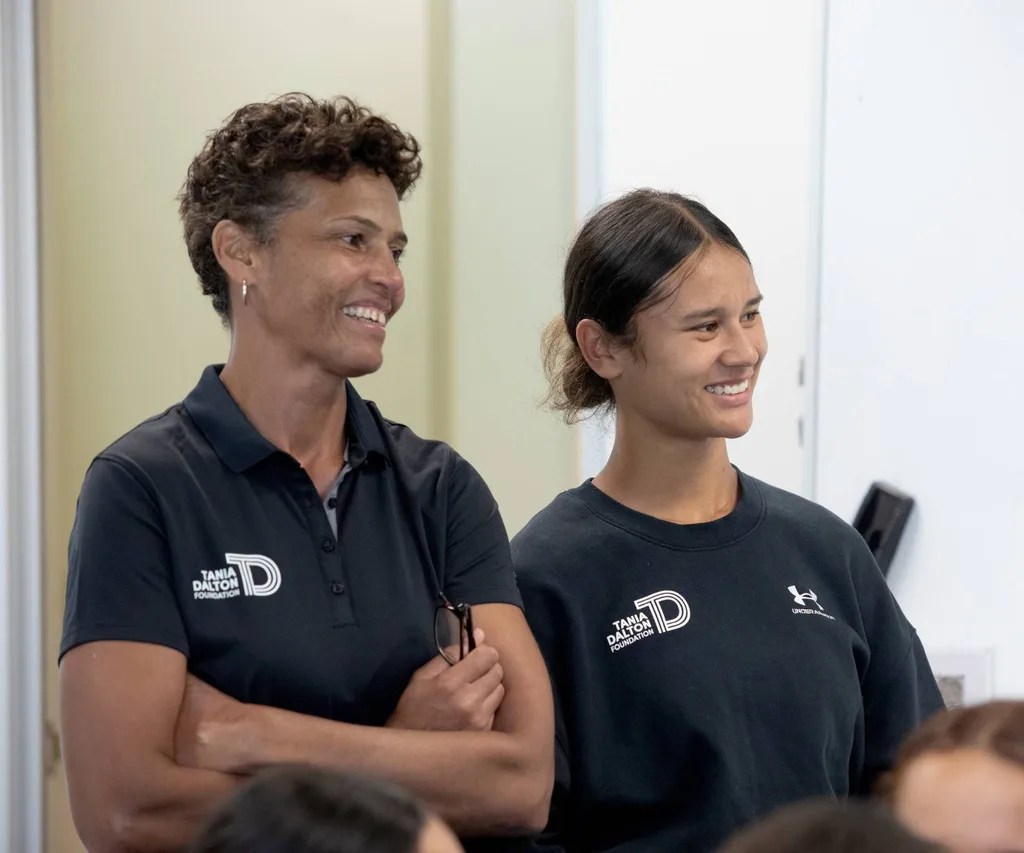
Developing athletes on and off the field
“It’s about development as an athlete and development as a person,” Georgie explains.
“We’re helping prepare them to be an elite athlete and also preparing them that some of them won’t make it because that’s the nature of being in elite sport.”
Support from 2degrees
Since 2020, 2degrees has been a supporting partner of the scheme. They sponsor an athlete in each year’s intake and some proceeds from the SupportHer merchandise campaign support the foundation’s work. Though her legacy is undeniable, the ever-humble Georgie admits she is still surprised when players credit her as their inspiration to play rugby.
“At the World Cup, I met so many people who kept saying, ‘I played rugby because of you’ and I had no idea,” Georgie tells.
“I’ve had my play time, but now I need to give back to all sports if I can and lift other women up to be able to live their dreams.”
To buy a piece of 2degrees SupportHER merch and support young sportswomen, visit 2degrees.nz/supportherclub/merch/order-form