





Former Labour MP Grant Robertson learned a lot during his many years in politics.
“I came to understand that you’ll never achieve everything you want to and some great ideas won’t make it to fruition,” says Grant, 53.
“And it’s frustrating when some of the things you worked really hard on are reversed by the next government. But having taken a step back, overall I know I did good things and I helped people.”

From Otago to Beehive
Raised in Dunedin, Grant’s political career began at the University of Otago and went on to include a stint at the United Nations in New York. But it was when he returned to New Zealand in 2001 and became MP Marian Hobbs’ ministerial advisor that Grant was drawn to the Beehive. Then when Marian retired in 2008, Grant was selected to contest her Wellington Central seat, making him one of our first openly gay MPs.
After three terms in Opposition, Grant was part of the 2017 Labour landslide with Dame Jacinda Ardern at the helm. Two terms in office ensued, with Grant becoming Minister of Finance and Deputy Prime Minister. So it was no surprise that when Grant retired from politics last year, he was approached to write a memoir.

Writing his memoir
“I was initially worried I didn’t have the perspective to write this book – that I was still too close to it all,” Grant says of his biography Anything Could Happen.
“But the pace of history is so quick nowadays and I did want to write about what happened – and perhaps more importantly how it felt.”
With a keen eye for observation, Grant writes candidly about his own life, as well as some of the harrowing events his government faced, from the Christchurch terror attack to the pandemic. Asked whether he wrote the book himself, the answer is an empathic “Yes!”
He explains, “I love writing and I’m blessed to have a pretty good memory. There were also emails, documents and budgets to draw on, and I’m grateful to [Dame] Miranda Harcourt and Stuart McKenzie who created the play Transmission, all about the pandemic, as they gave me access to the hours of interviews I did with them.”
Writing tips from a friend
Grant’s also quick to thank his mate, playwright Duncan Sarkies, for offering some handy writing tips.


“Duncan told me the parable of the Madman, Architect, Builder and Judge, and how when people are writing, they often start as the judge and say what they feel is right. But you need to start as the madman. Put everything down, pile it in, then be the architect, then the builder, then the judge,” Grant says, explaining how he managed to distil his rich life into the requisite number of pages.
The result is warm, witty and often deeply moving.
“But I still left a lot on the cutting-room floor,” admits Grant.
“Stories about policy, my years at high school and university, and I could’ve written a thousand stories about the people I met in New York.”
Starstruck moments
This includes how he was occasionally rendered starstruck.
“One of the most famous people I ever met was Kofi Annan, who was the secretary general of the UN,” he recalls.
“I was a junior diplomat at a function in New York and my boss at the time, Michael [Powles] manoeuvred me around the room so I could meet him. But when we were face to face, I had no words to say to this extraordinary man.”
Although in real life Grant is rarely lost for words, and his book doesn’t shy away from the tough topics, including his beloved father’s imprisonment for theft, to the 2022 anti-mandate protests that ended with scenes of horrific violence that played out on the steps of Parliament.But through it all, Grant never lost sight of why he stood for office.
The call to public service
“Politics is such a vital part of society and more than ever we need good people to put themselves forward for public service, whatever their views, because the decisions that are made are so important,” says Grant.
“As I said in my final speech, what we do can change the course of history.”
With his wealth of experience, Grant is often asked whether he’d recommend others enter the increasingly polarised world of politics.
“I usually say do it, but that it comes with a massive health warning due to the toxic nature of much of today’s discourse,” tells Grant.
“With politicians finding themselves abused online and in person, which isn’t a great incentive, and people’s families are inevitably dragged in. “I just wish people could give politicians the space to do what they need to do. That doesn’t mean we stop having vigorous debates about big issues, but for people to be confronted with a torrent of abuse, especially female politicians, it’s so wrong. The world is so different today compared to when I started out.”

Keeping politicians and the public safe
Grant also believes that physical electorate offices are the bedrock to our system, so when politicians and their frontline staff aren’t safe, that is unacceptable.
“During my time as an MP, we moved from a literal open-door policy to a more figurative open door, where visitors had to get past a security lock,” recalls Grant.
“That was so sad, but developments made it necessary, which in turn made it much harder for people to come to us for help.”
Politics also had its joys and the affable Beehive boy made many lifelong friends. Among them, our former prime minister Jacinda, whom he writes about with the greatest respect and affection.
“From day one, her political instincts and incredible work ethic shone. I also take credit for taking Jacinda from sober Mormon to the whiskey-loving, sailor- level swearer she is today,” Grant says with a smile, then adds that might be something of an exaggeration, but in the pressure cooker environment of politics, he knows they were good for each other.
Grant writes enthusiastically about his time as Minister for Sport and Recreation, and he’ll happily talk rugby, cricket or football for hours, but these days when people want to talk politics, Grant is more reserved than he once was.
Life after politics
“When I was a politician, it was my job to stop and listen, to talk to people,” he explains. “But today, as a recovering politician, my life has moved on.
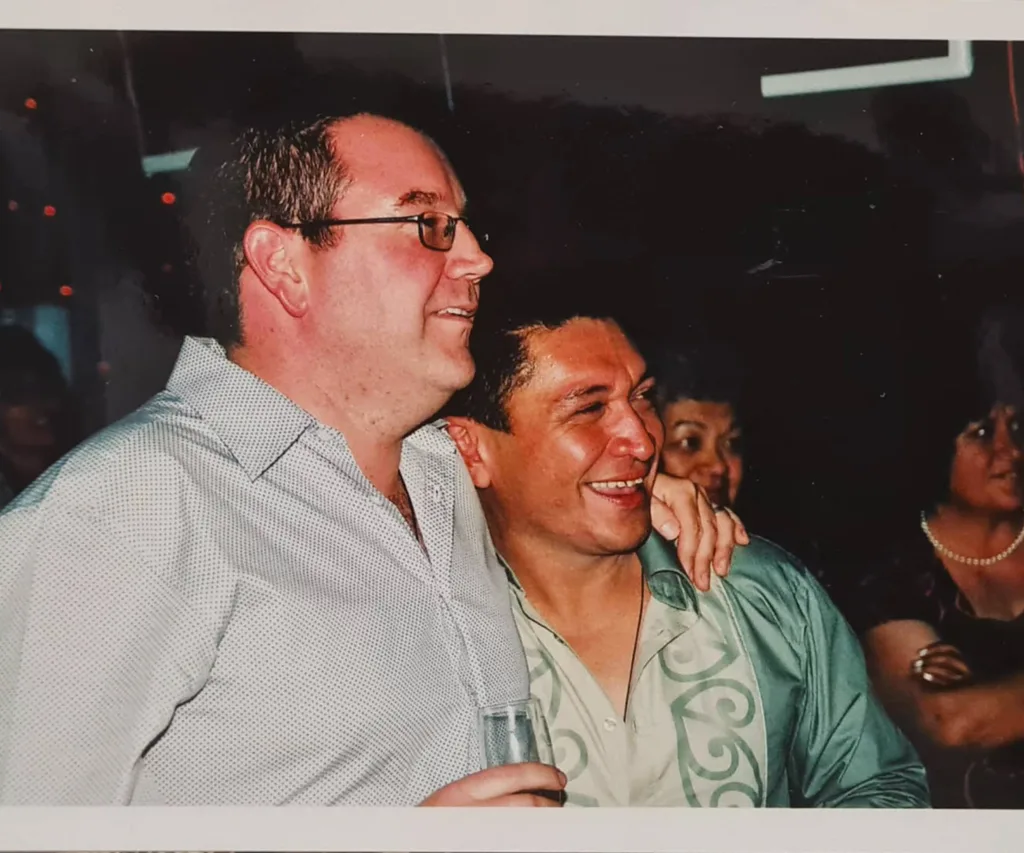
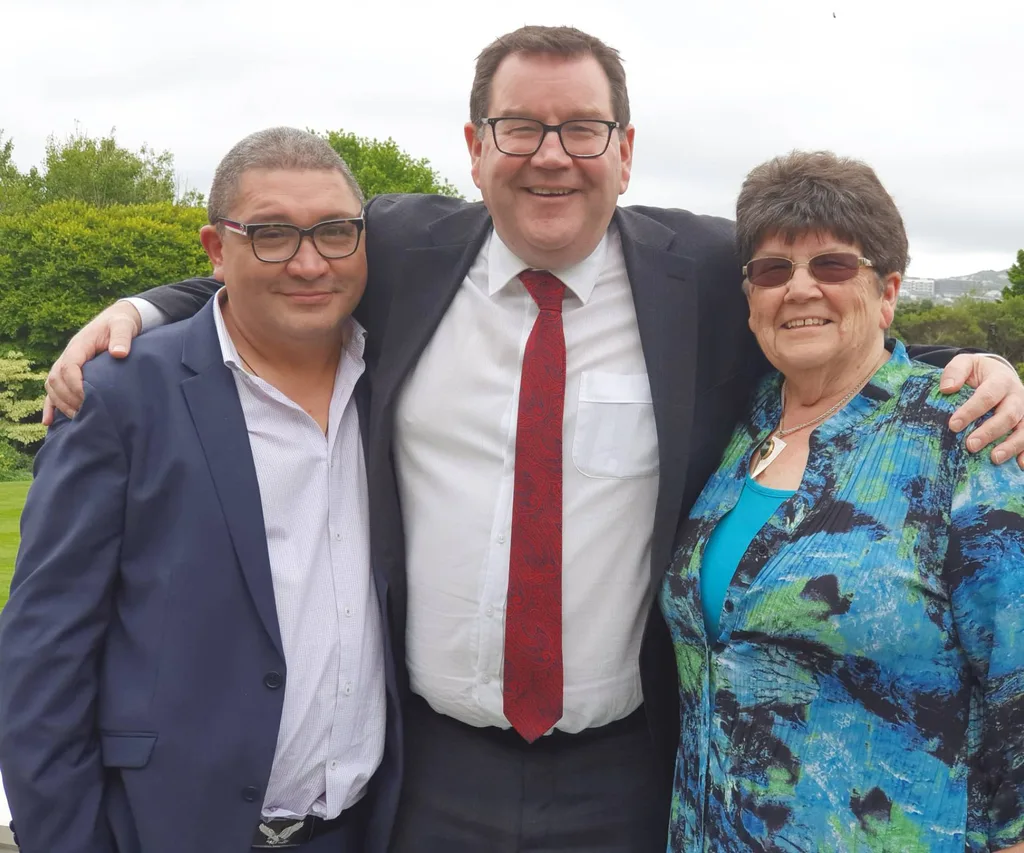
As a result, Grant’s life is much more peaceful than it was when he was in office. He now lives in Dunedin, where he is vice chancellor of the University of Otago and he is clearly thriving in the new role. But none of it, Grant says, would have been possible without the love and support of his partner Alf Kaiwai, whom he met while playing for Wellington rugby team the Krazy Knights.
“Alf was incredibly supportive the whole time I was in politics,” he reflects.
“As I say in the book’s acknowledgements, Alf doesn’t see himself as a political person, but he’s got such a strong set of values, and a sense of right and wrong, and I could not have done it without him.”

A less stressful role
As for being vice chancellor, Grant loves that his new job is not as stressful as politics.
“It still keeps me busy, but I’m getting proper weekends for the first time in years,” says Grant, who relishes advocating for students and education.
Grant will always be grateful for the time he spent in Parliament and he will always be glad of those lessons he learned. As well as how to come up with the perfect 10-second soundbite in an interview.

So if he had to sum up his book, how would Grant describe it?
“It’s all about how anything could happen,” he says.
“That you can be a gay kid from Dunedin who is quite shy, and you can turn into a person who can’t stop talking and who becomes a politician. It’s also about the support I received along the way and how we all need to believe that a better tomorrow is possible.”
Anything Could Happen by Grant Roberston is out now.