




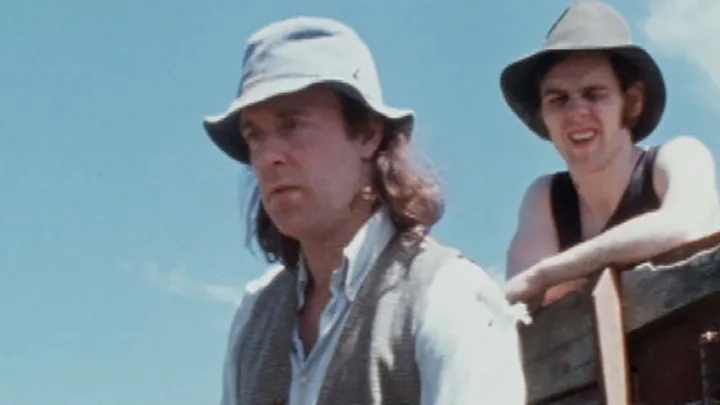
This year marks six decades of Hyundai Country Calendar telling the stories of hard-working rural Kiwis and the land they love. Since its debut in black and white in 1966, watching the iconic show has turned into a Sunday night ritual for hundreds of thousands of New Zealanders, city slickers included!
To celebrate 60 iconic years, Country Calendar is bringing back 45 historic episodes to view on TVNZ+. In this tribute, the Weekly looks at some of the milestones, memorable moments and unforgettable characters that have shaped Country Calendar.
March 6, 1966
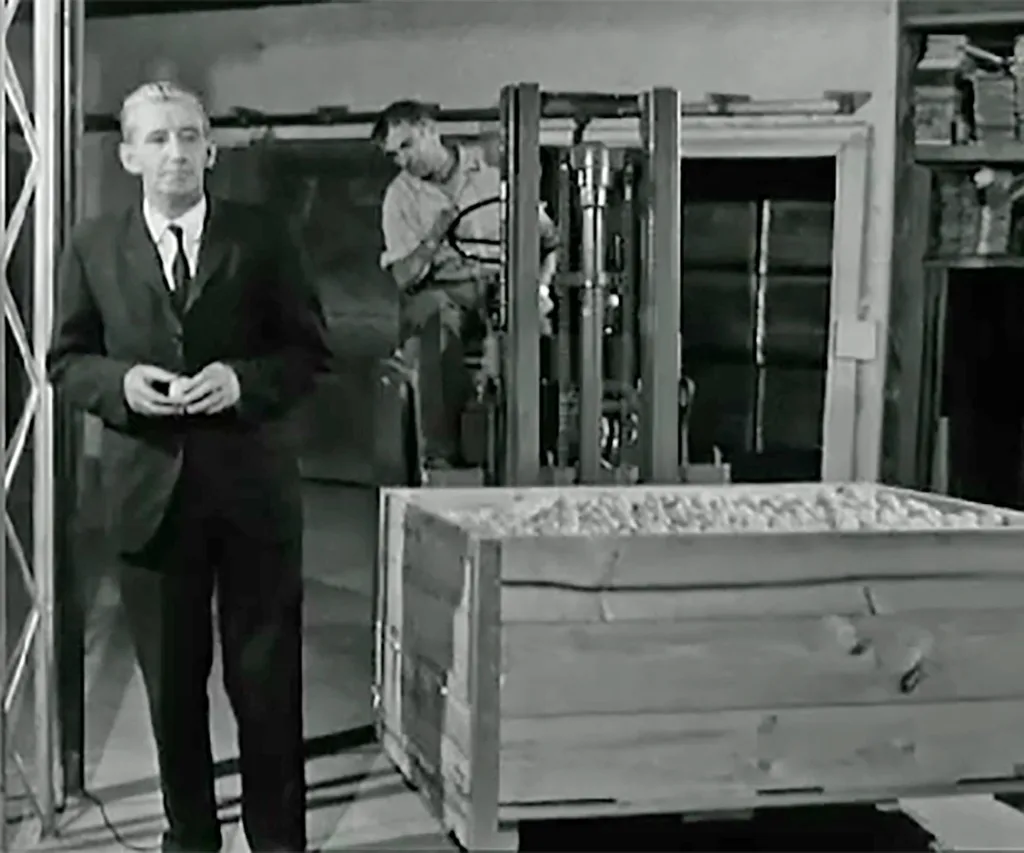
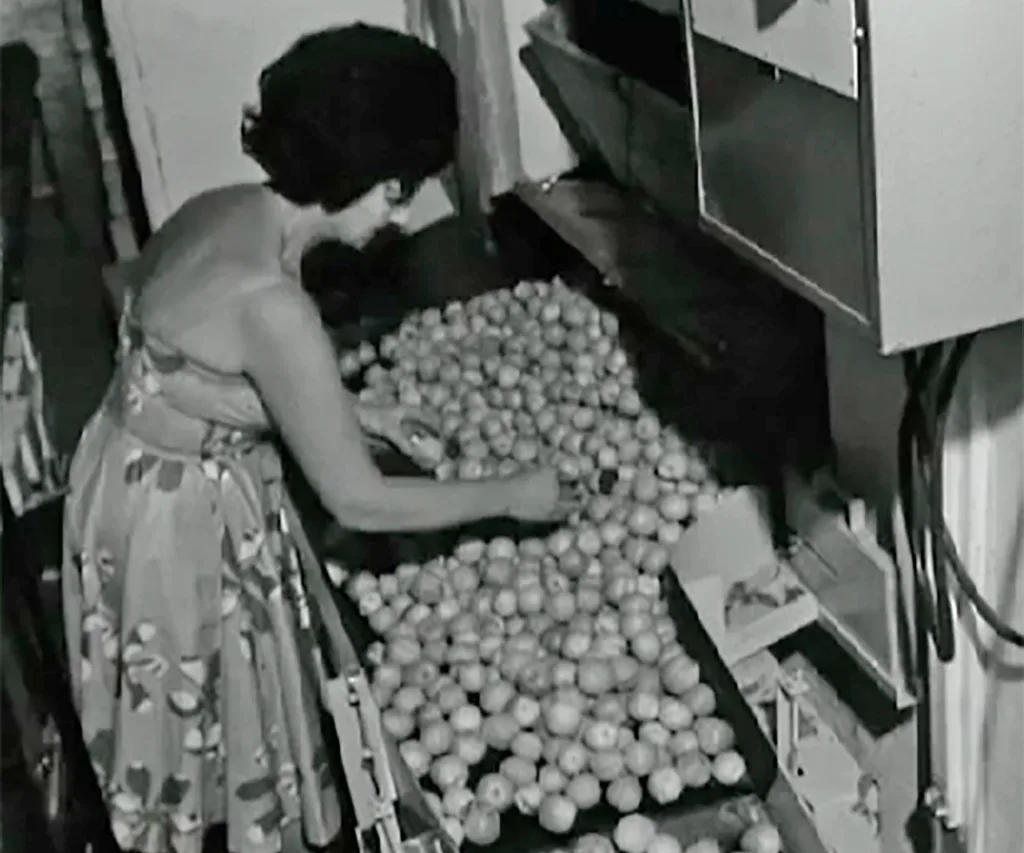
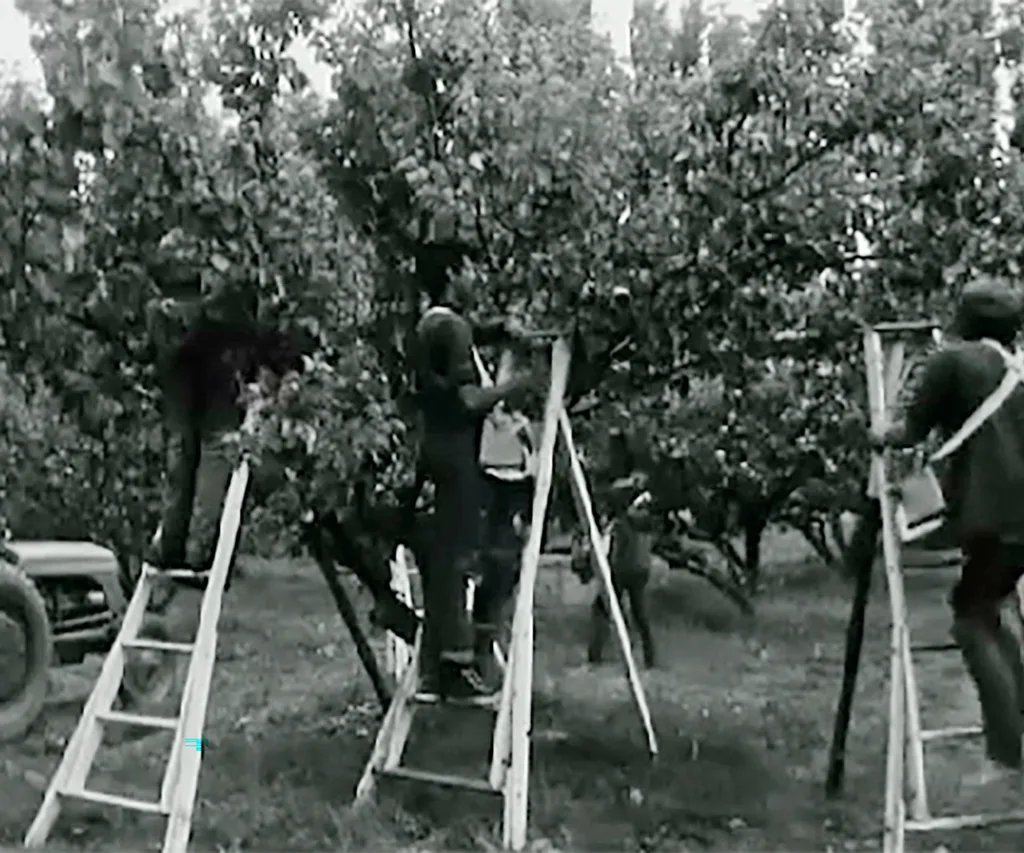
The first episode of Country Calendar was broadcast on what is now TVNZ 1 at 7.15pm. Presented by Fred Barnes, it was a studio- based rural news bulletin for farmers with short, filmed inserts. The first field report was on a Central Otago apricot orchard. It set the scene for what many successful Country Calendar shows went on to do – introducing viewers to the faces of our farms and showing how our food is harvested, processed, packed and sold. Scenes from this early episode will feature in a 2026 episode about an Auckland couple who’ve taken the plunge into rural living and gone orcharding in Central Otago.
1973
Filming switched from black and white to colour.
Early-mid 1970s
By now, the programme had moved out of the studio and into the paddock, telling single on-farm or one-topic stories.
1974
Christmas brought the gift of Fred Dagg to the screens, introducing to New Zealanders for the first time the beloved fictional farmer created by satirist John Clarke. Accompanied by his six sons, all named Trevor, Fred Dagg was always clad in his black singlet, Stubbies and gumboots, and viewers couldn’t get enough of the comedic countryman. (Watch the original episode at nzonscreen.com/title/country-calendar-fred-dagg-1974)
1975
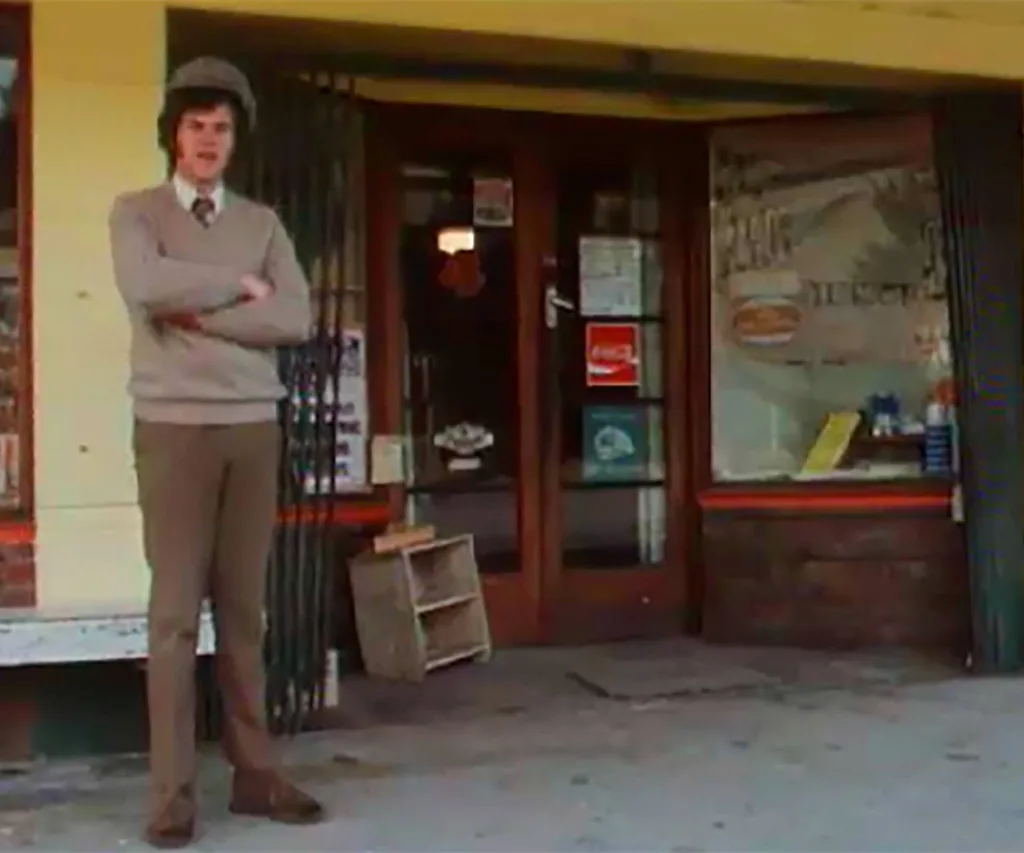
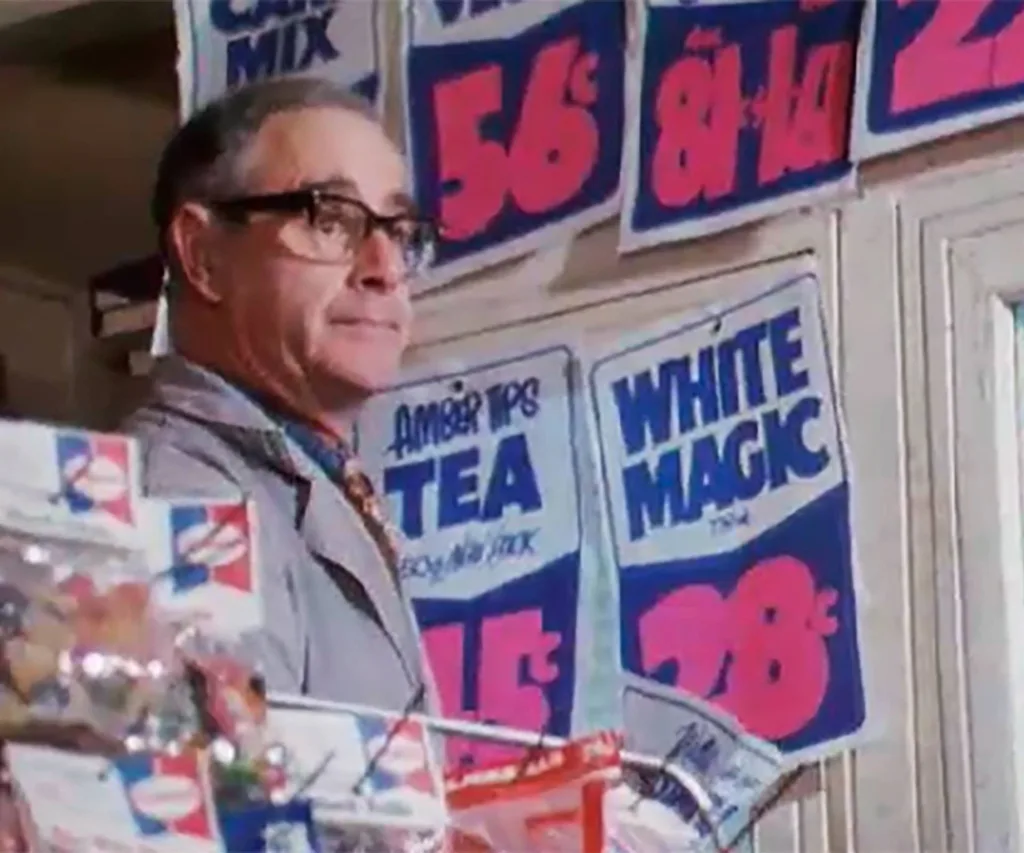
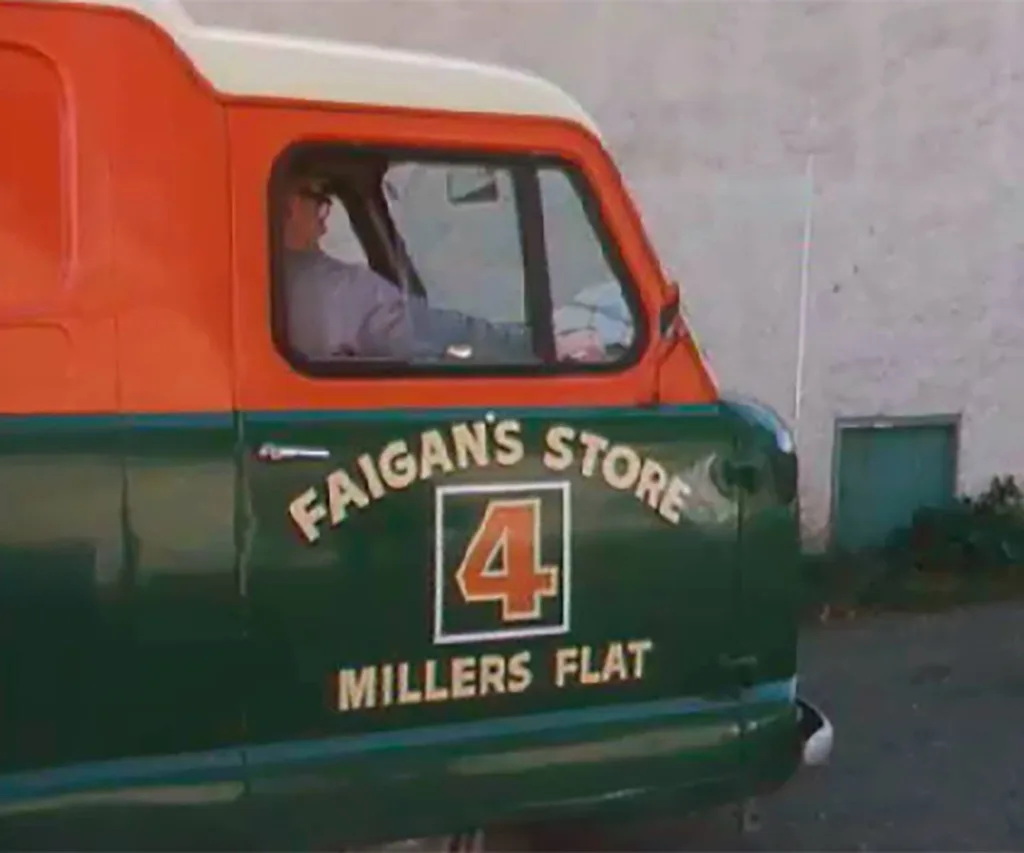
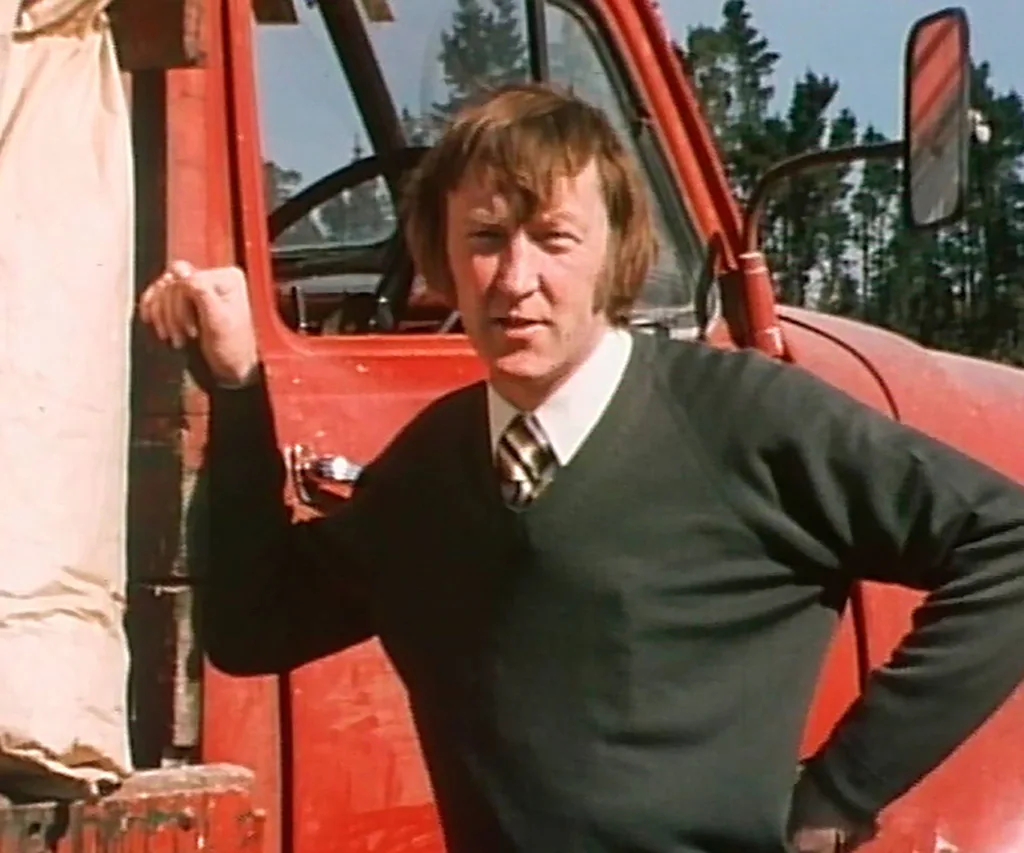
Episode title: Country Store. Nine years on, what began as a news programme for farmers had evolved into a thoughtful look at rural life, trends and changes. Fronted by a reporter snappily dressed in the fashion of the day, the show took us inside the country store at Millers Flat in Central Otago. The same owner ran the store for 40 years, giving his customers personal service despite rising prices and a changing landscape. This episode had unexpected parallels with today – the shop owner took phone orders and delivers goods, just as we did in Covid times, and feared the impact of supermarkets, mirroring the current return to buying local and supporting small producers and suppliers. (Country Store will be available on TVNZ+ on April 26.)
Mid-1970s
Hillbilly Child by Alan Moorhouse became the theme tune for the show. Still used today, it has become synonymous with Country Calendar.

1983
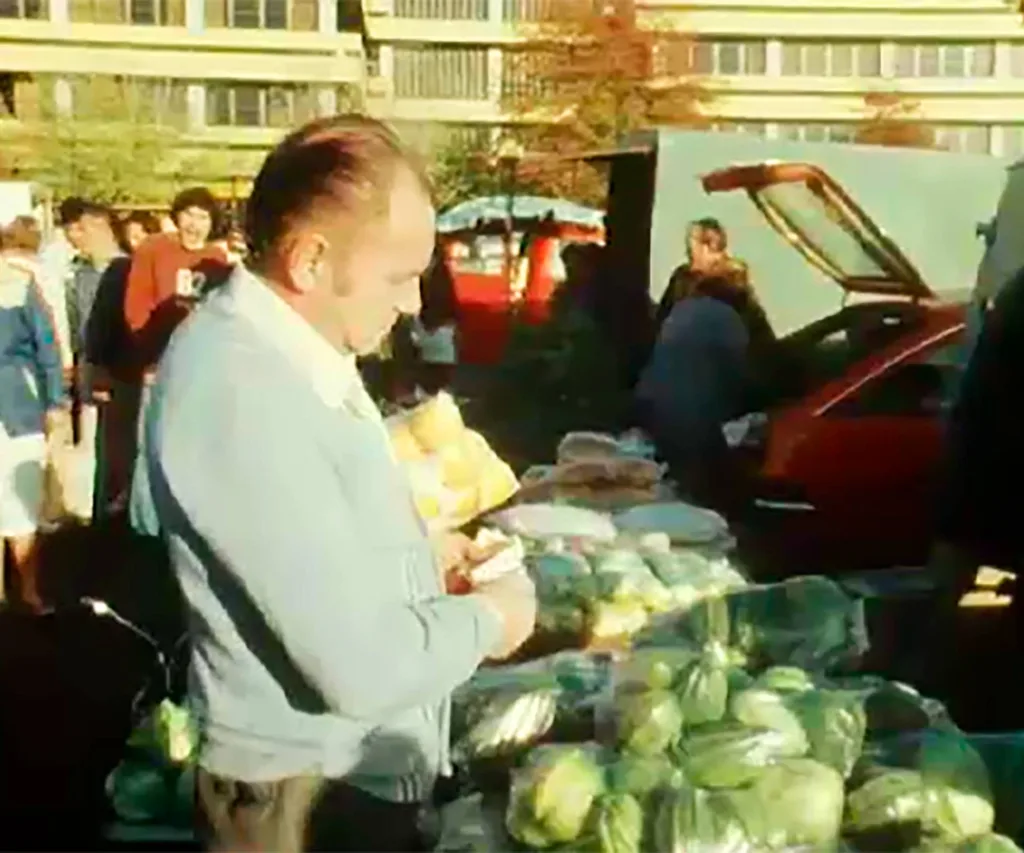
Episode title: The United Flea Market of Ōtara. Country Calendar is a regular visitor to farmers’ markets around the country, a tradition stretching back to the early ’80s when the show profiled growers and suppliers providing fresh produce to South Auckland’s large Pacific Island community at Ōtara Flea Market. This was a window into a different world for many of the show’s conservative rural viewers. It also illustrated the growing complexity of putting together a compelling watch, with crews capturing the crop being grown on the farm and caught in the sea, transported to market and sold fresh a few days later. (The United Flea Market of Ōtara will be available on TVNZ+ on June 21.)
1987
Show duration went from 15 minutes to a half hour.
1994
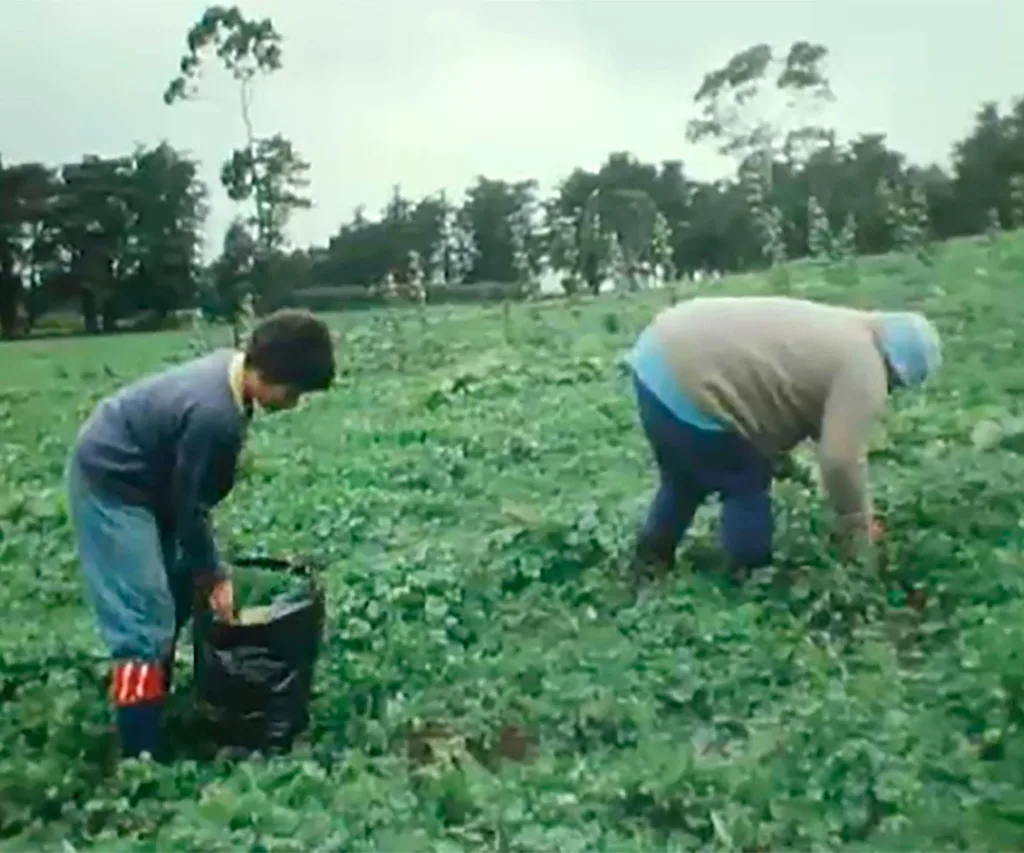
Production moved from film to video cameras.
2001
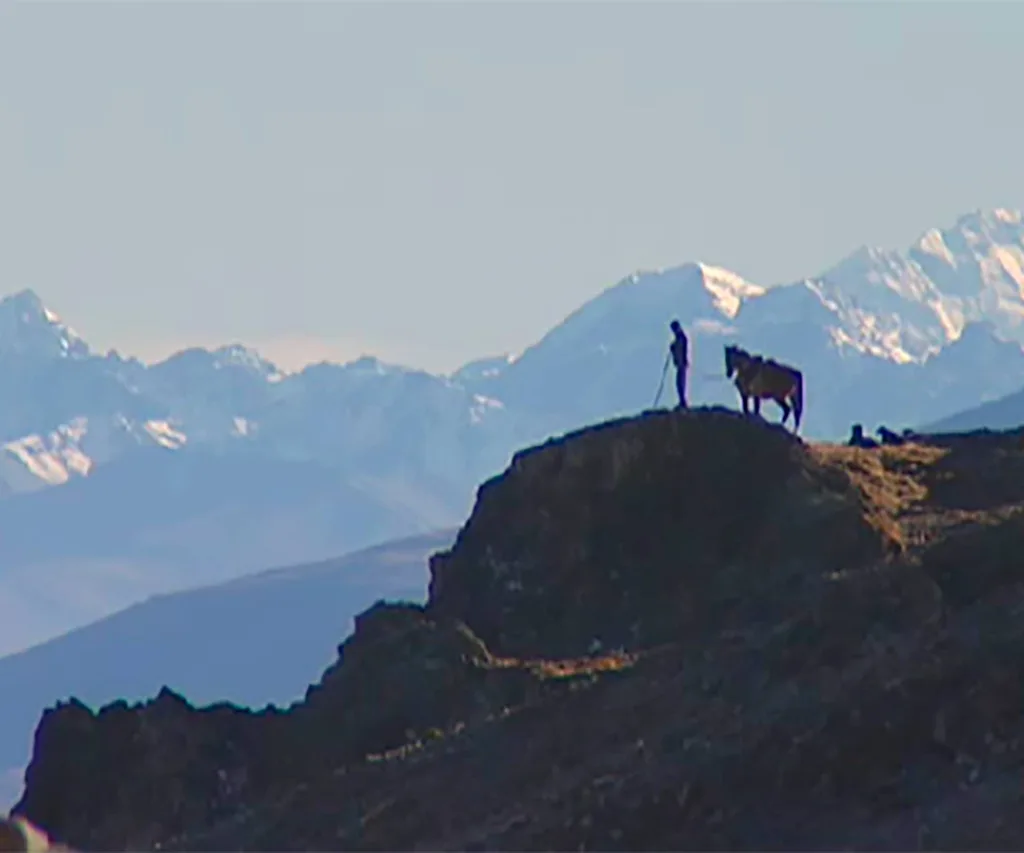
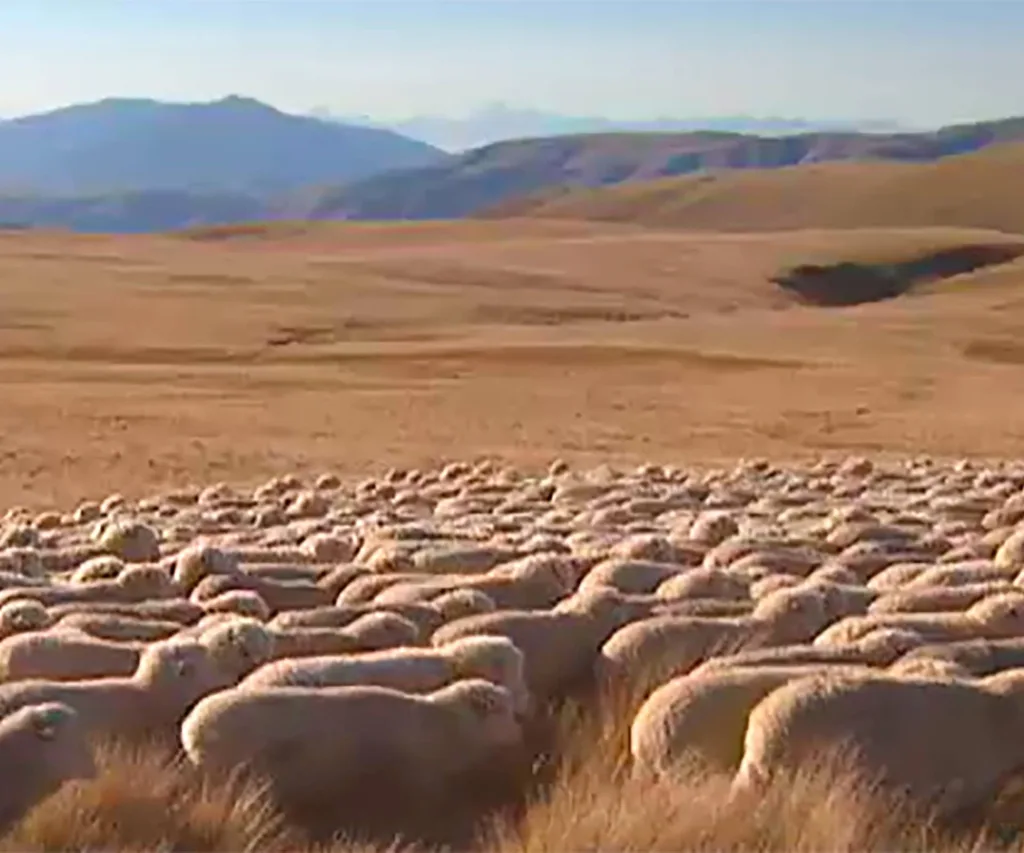
Episode: Mt Ida. Following a group of men on a sprawling high country muster in the Hawkdun Range in North Otago, this was the first Country Calendar programme to go to air in widescreen and with stereo sound. The new technology prompted presenter Jim Hickey, who introduced each episode during this era, to tell viewers, “Do not adjust your TV set, folks.” It was the perfect story to usher in widescreen advances, with wonderful shots of the vast mountainous landscapes and rivers of woolly white sheep wandering the tussocky hills. Industry peers agreed and the programme won the Qantas Media Award for Best Information TV Programme for 2001. (Mt Ida episode will be available on TVNZ+ on April 12.)
Early 2000s
Show became fully digital and shot in high definition.
2013
In 1998, there were just 13 episodes a year, but by 2013, 30 shows were making it to air annually and were also now available on TVNZ+.
2014
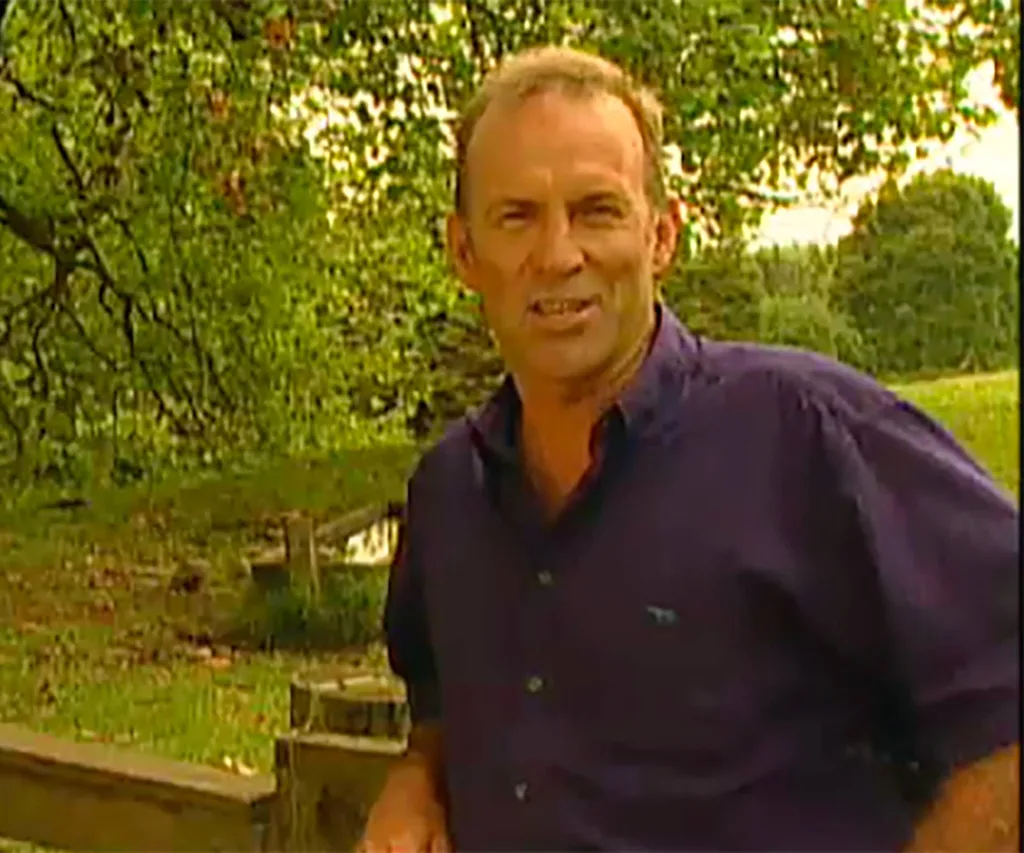
Filming using drones became a regular part of the show, enabling a whole new perspective on storytelling.
2016
The programme moved to 40 shows a year.
2022
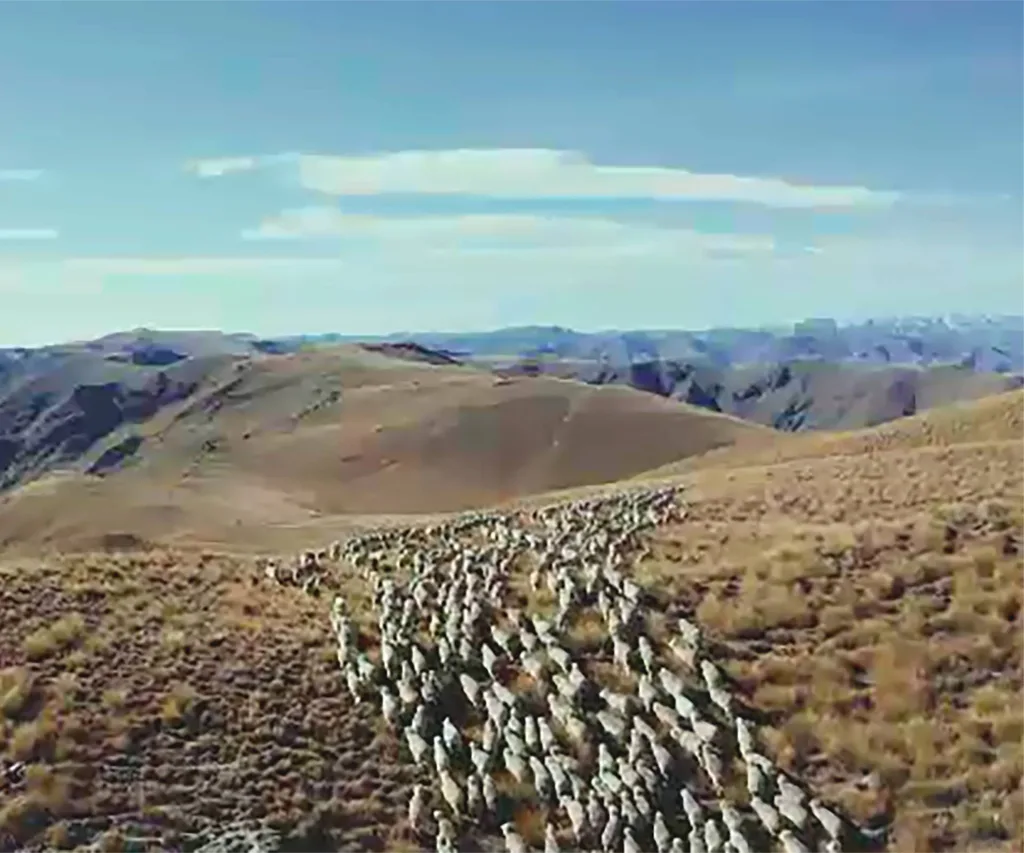
Episode: Carbon Zero. The highest-rating Country Calendar episode of 2022 was also one of the most controversial. The series had long pushed the boundaries in consistently covering innovative farming approaches and featuring people passionate about what they were doing on the land. But at a time of tractor convoys to Parliament, rural protests about government regulation and charges, plus post-Covid lockdown resentment, the Lake Hawea Station episode was too much for some rural viewers. The show, about Australasia’s first certified carbon-zero farm, and detailing the owners’ – entrepreneurs Geoff and Justine Ross – focus on animal welfare and promoting regenerative agriculture, brought keyboard warriors out with charges of it being “woke”, and not about people with “real mortgages and real challenges”. (Carbon Zero can be viewed on TVNZ+.)
2025
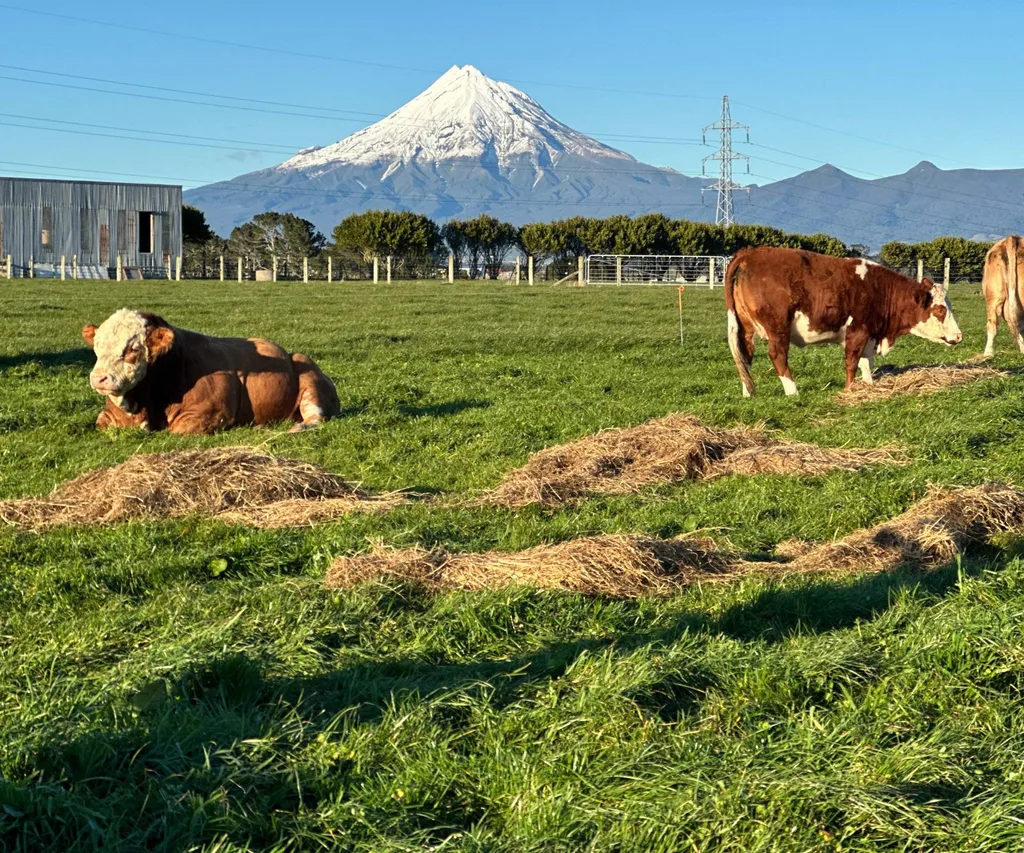
The show remained New Zealand’s longest-running television series and a rating powerhouse, being the second most-watched programme across TVNZ’s channels in 2025 and consistently in the broadcaster’s top three since 2017.
2026
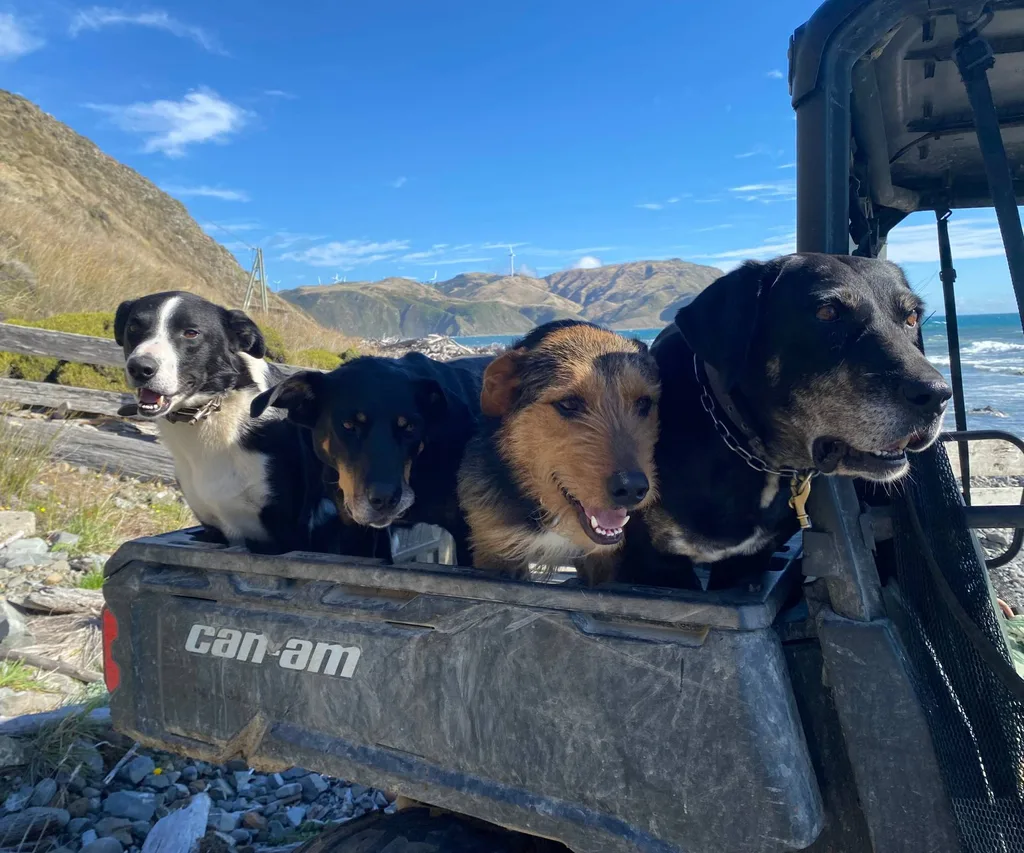
Forty new episodes are being produced for the 2026 season. There’ll be some revisits, younger faces and plenty of people making a living off the land and sea.
The dream team behind the screen
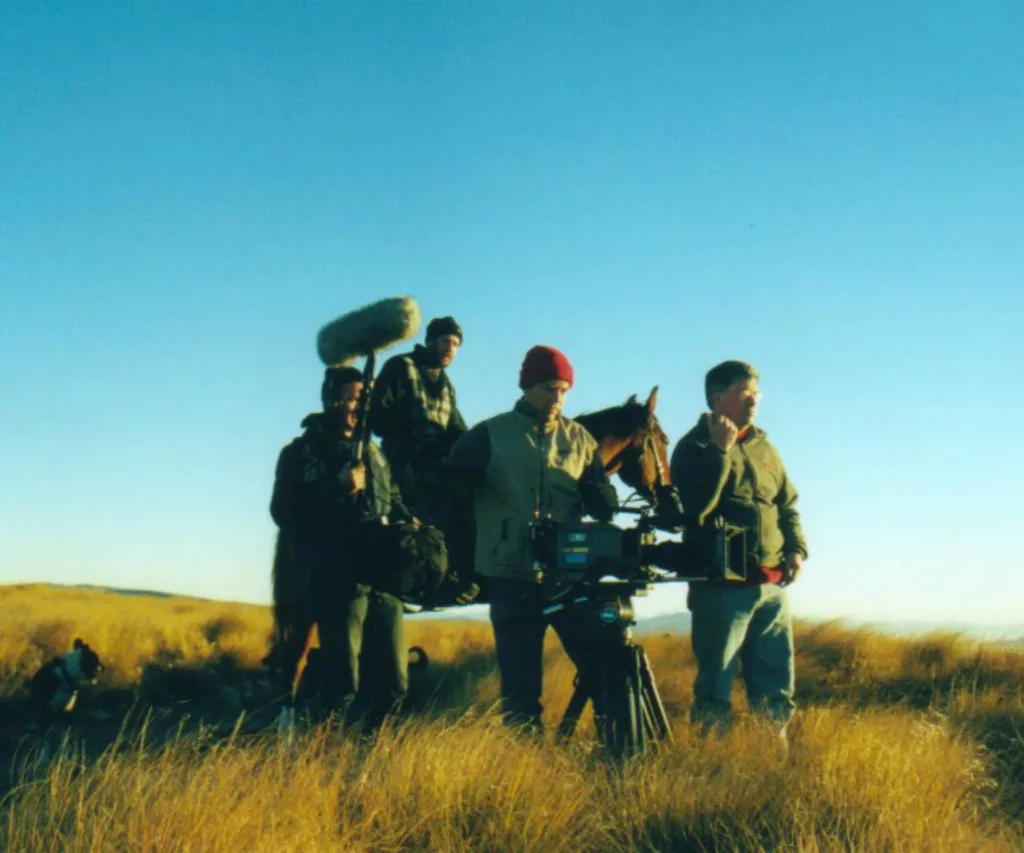
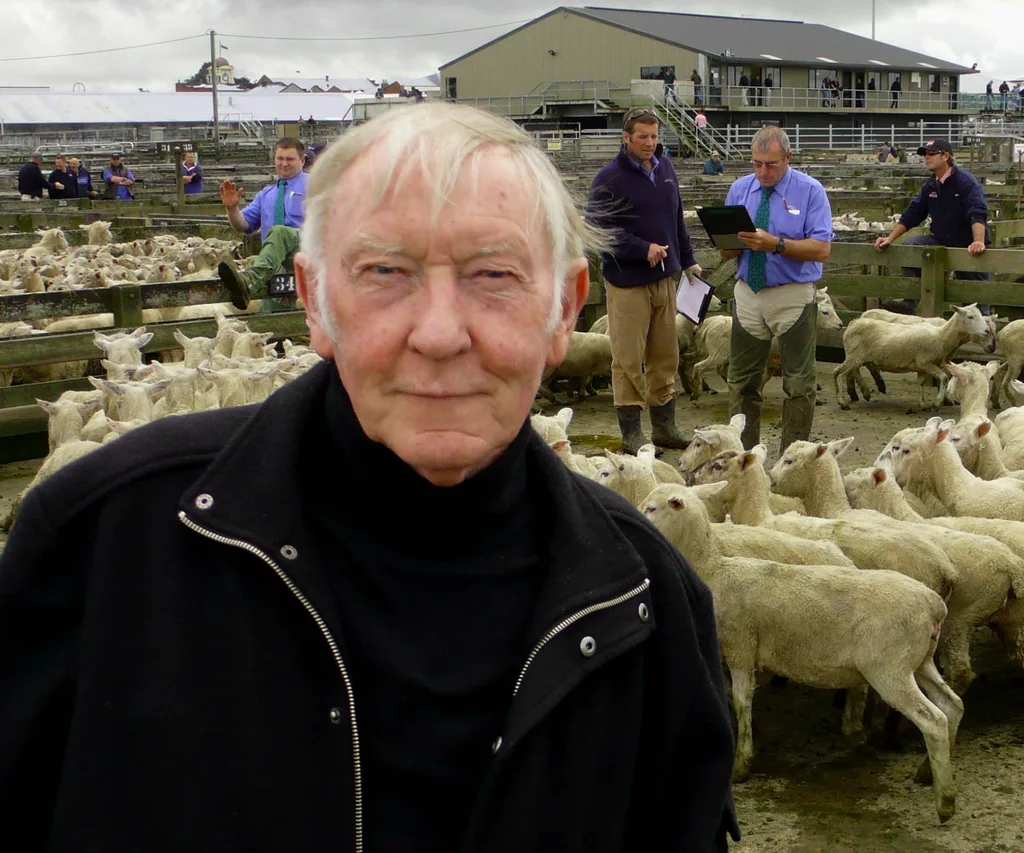
Many top television industry professionals have worked on Country Calendar over its 60 years, with a few individuals standing out as having been pivotal in ensuring the show remains New Zealand’s longest-running series. One is Frank Torley, who first assumed the role of producer in 1980, and was a defining voice and style-setter over a 35-year period. Howard Taylor, who continues as a director, produced the show in the late ’70s and the first half of the ’80s. In 2005, Julian O’Brien took on the role and drove a period of growth, up to 40 episodes a year. He brought Dan Henry on as associate producer and in 2023, Dan moved into the producer role. Years of reporters fronting the show came to an end in 2014, with Frank becoming the sole narrator across the series, followed by Dan from 2016.
Spoofs
A number of Country Calendar spoofs were made over the years. These included Musical Fence, in which a farmer plays fencing wire as a musical instrument, an episode about remote-controlled working dogs (which was taken literally with the RSPCA receiving some complaints), a show about a couple who claimed to have developed a stress-free approach to sheep farming, including playing classical music to the sheep and healing them with meditation chants, high-fashion rural clothing, mice farming and the last spoof episode in the late ’70s called Night Farming, about a new grass species that grows 24 hours a day, requiring separate day and night farmers.
Sponsors
There have been a number of sponsors of the show over the years, from Lada in the early ’90s to Tux, AMP and the National Bank from 1999 through to 2010. In 2011, Hyundai came on board and is entering its 16th year of sponsoring the show.



Share this post