




 Sacha Kahaki
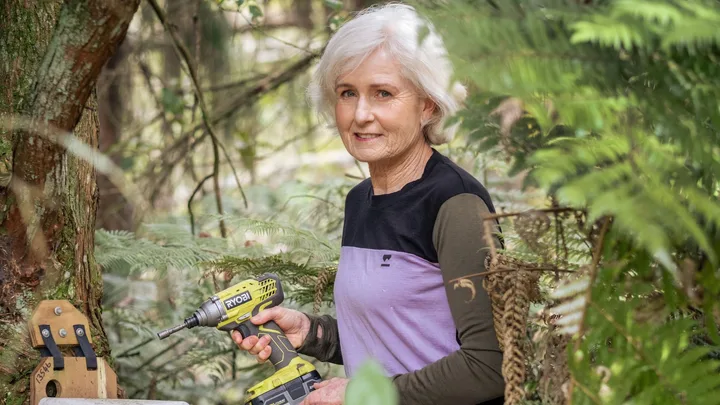
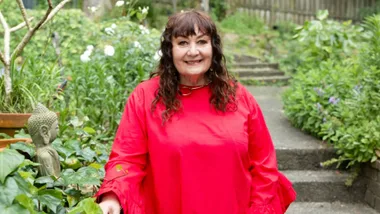
Alison Ewing’s kids call her the “Trapping Queen”. If she doesn’t take their calls, they know she’s probably out killing pests in one of Tamahere’s deep gullies, on the outskirts of Hamilton.
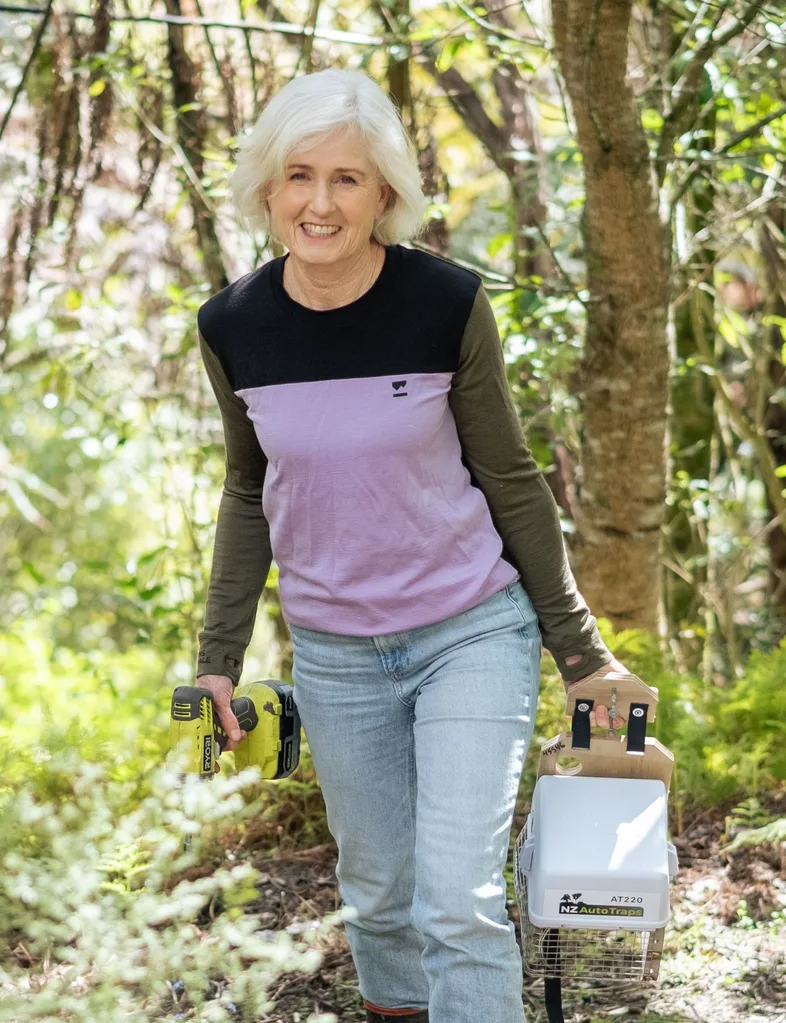
Wearing gumboots and carrying a bag of trapping gear, the 66-year-old likes nothing more than heading into local bush or under the Waikato Expressway and finding a rat or possum in one of the hundreds of traps she has helped set around her local community.
“I wear a size eight gumboot and the biggest rat I’ve caught had a body the length of that. The gullies are full of them!”
Back to the beginning
It all started about five years ago, when Alison noticed extensive possum damage to old māhoe trees in a restored gully behind the property she lives in with husband Mark, 69.
She began trapping and floated the idea with others of starting a predator-free group in Tamahere.
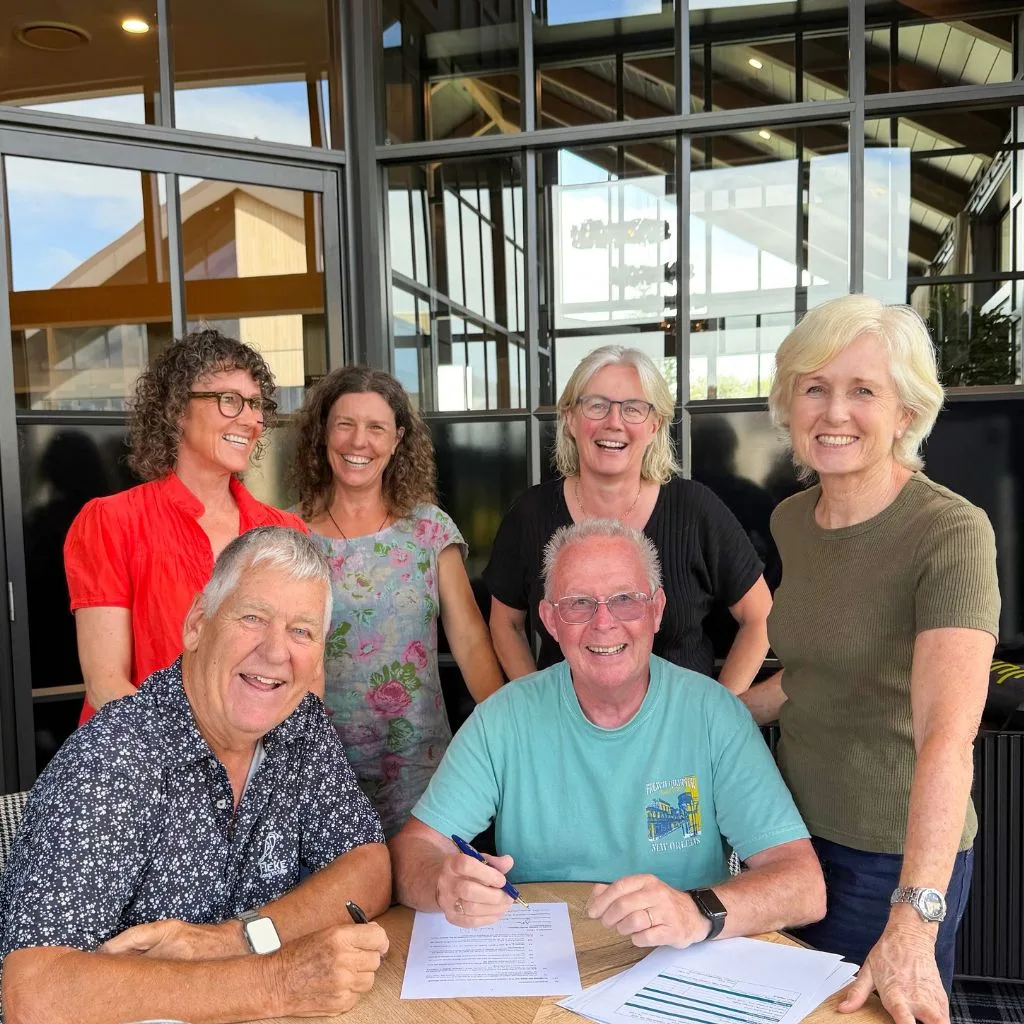
Since then, the volunteer-led initiative has become a charitable conservation trust. The group recently accepted an Environmental Leadership award presented by Waikato mayor Aksel Bech, recognising the team’s extraordinary impact in local pest eradication.
It has brought together residents, schools and community organisations with a shared goal of restoring biodiversity, and protecting the area’s distinctive native wildlife and gully ecosystems.
Engaging with local communities
Predator-Free Tamahere is also registered with Trap NZ – an online national coordinated programme – where people log their kills.
“We’re up to more than 15,000 pests,” says Alison, a former physiotherapist. “We’ve worked really hard to engage people to think about their environment,
but also have some fun.
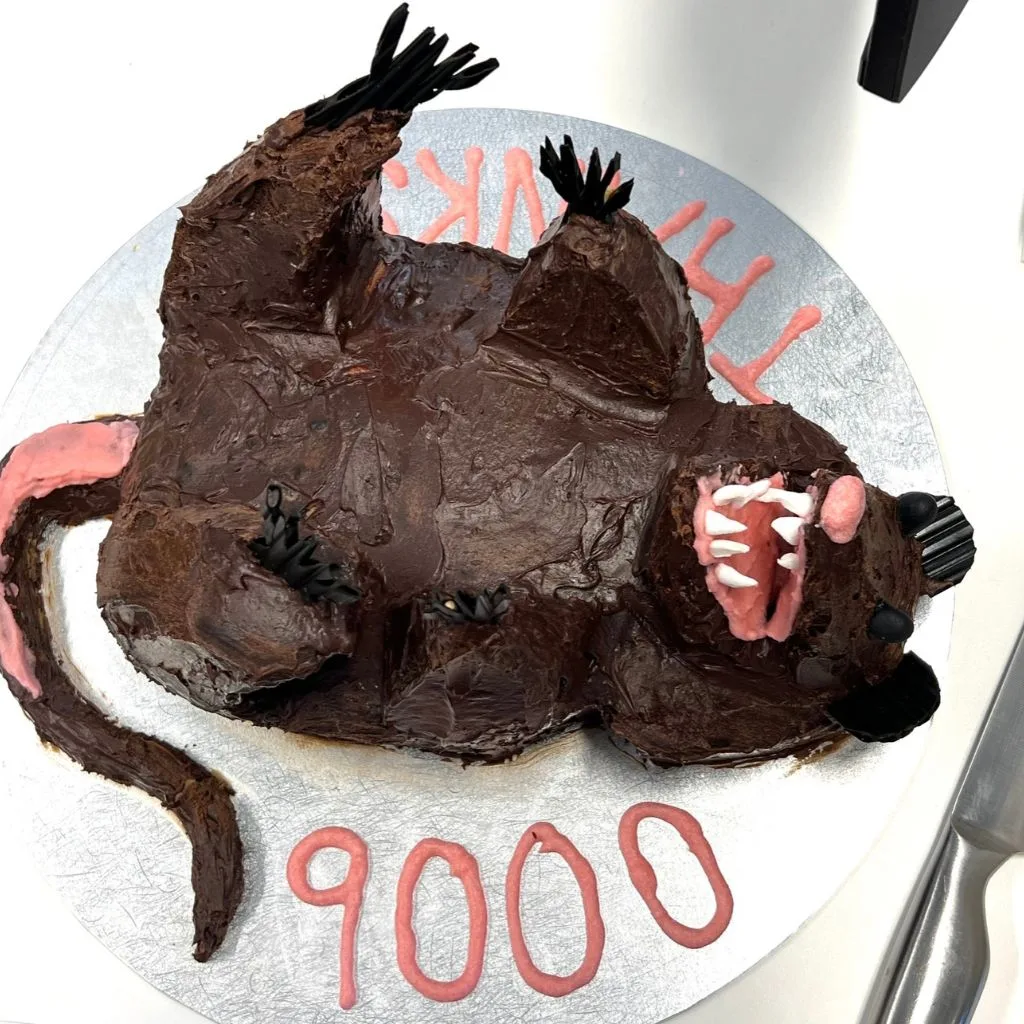
“For every few thousand pests killed, we give the person who logged the most a cake in the form of a rodent cemetery or road kill.
“There are now more than 100 people trapping in the area, as well as 595 traps on private land, Crown land, Council land and Ngāti Hāua land.
“And we have designated an area in Tamahere to protect the pekapeka [long-tailed bats] because we’re one of the only urban areas that has them.”
She says Hamilton has only retained two percent of its native cover – including the ecosystems that the forest supported – so it’s become a hugely changed landscape.
Learning about the damage from pests
Alison, who grew up on an orchard in Nelson, was always interested in restoration, but hadn’t appreciated how much damage pests do.
“Ten years ago, we had no tūīs here,” she says, gesturing around her lush backyard. “And I remember I was so looking forward to my magnolia ‘Vulcan’ tree flowering, but then I looked out and realised a possum had eaten all the buds.
“So that’s when I got mad, put a trap on the tree and over the course of a month, I caught nine possums.”
When Alison and Mark first moved into their home in 1991, their neighbours would ask, “Do you have a fridge or anything you want buried because we’re pushing a few things down the gully?”
She explains, “They were rubbish dumps and now it’s the opposite – people are restoring them and putting walkways through, and the native birds are coming back.
“One thing we’ve talked about in our group is that while the world seems crazy right now, with all these existential threats, this is something on the ground to help your community. And it feels like you actually have control over something.”
It’s not just about pest control
Enthusiasm for pest control is also having a positive social impact as more Kiwi communities embrace trapping as a way to connect socially.
Alison, who is mum to former TV newsreader Isobel Ewing, enthuses, “It’s like Neighbourhood Watch used to be. One of the things we’re most proud of isn’t the number of traps or catches. It’s the conversations that have started between neighbours and landowners’ willingness to work together across property boundaries.
“It’s been amazing to hear people telling us, ‘I didn’t know my neighbour until we started trapping and began helping each other.’ It is bigger than just catching pests – it’s about connecting communities.”
Alison’s tips for backyard trapping
- Make sure your compost bin is secure with chicken wire so the rats can’t get into it. Or put a “snap and trap” with some peanut butter on it in your compost bin, and bury any caught rats.
- Possums are attracted to anything with cinnamon in them. Try cutting up an apple, rolling it in cinnamon and popping it in a simple trap up a tree.
- Ship rats are incredible climbers, eating from fruit trees and eggs from birds’ nests in season. She recommends pulse baiting – loading bait stations at the start of August, November, February and April to coincide with bird nesting and higher rat activity.
For more info on backyard trapping, see predatorfreetamahere.com

Related stories
Native ad body.

Native ad body.



Native ad body.