




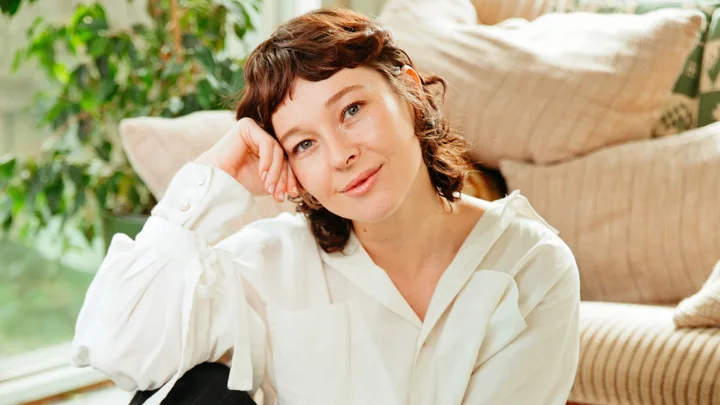
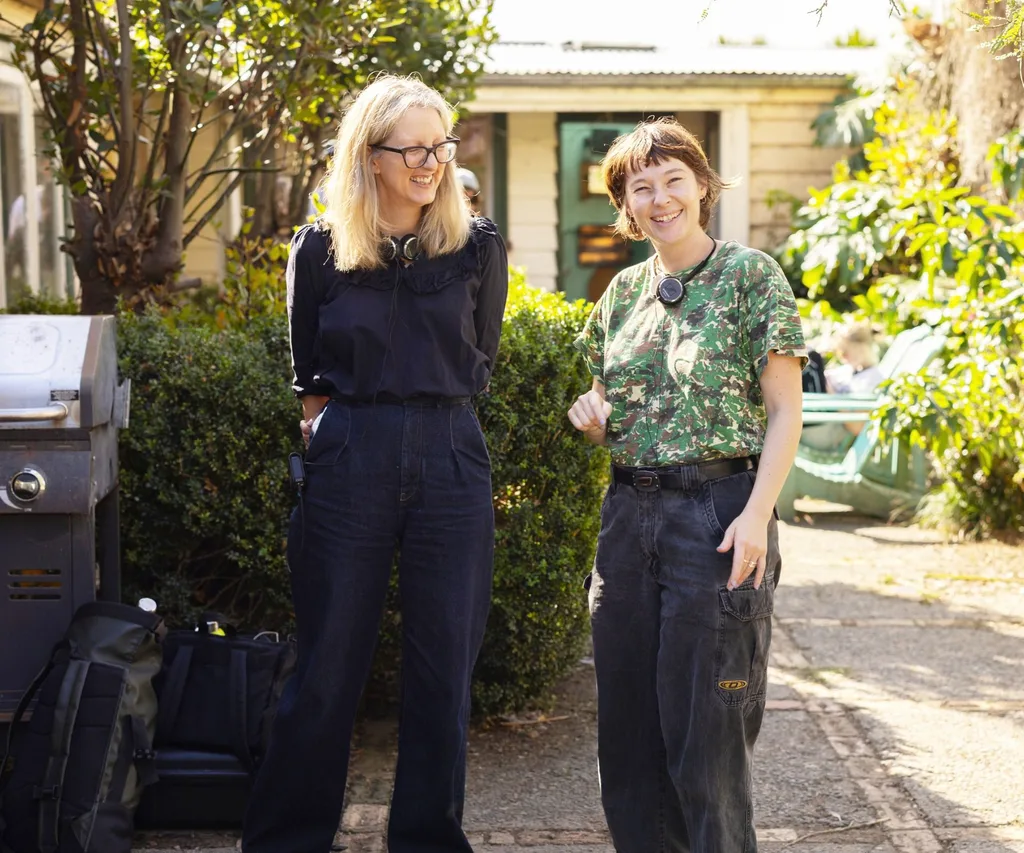
 Photography: Amalia Osborne.
As Paloma Schneideman travels the globe with her first feature film to critical acclaim, it’s not lost on her how differently her story could have unfolded. At 15, the future filmmaker was lost, rebellious and drifting in a troubling direction.
Growing up queer in rural Matakana in the early 2000s, Paloma never quite felt she could be herself. Unsure of her place in the world, she began pushing boundaries.
Then a weekend job at the local cinema showed her there was a much bigger world waiting beyond her small town.
“When I was 15, I faced a fork in the road in terms of what my life could have been,” the 34-year-old says.
“I was sneaking out every weekend, drinking, getting people to buy us booze and being quite naughty. “Then the Matakana Cinemas opened and my parents told me I had to get a job. One of the perks was that you could watch as much film as you wanted, and when there’s not much to do in your town, I watched so much. That’s where I first learned the power of storytelling.”
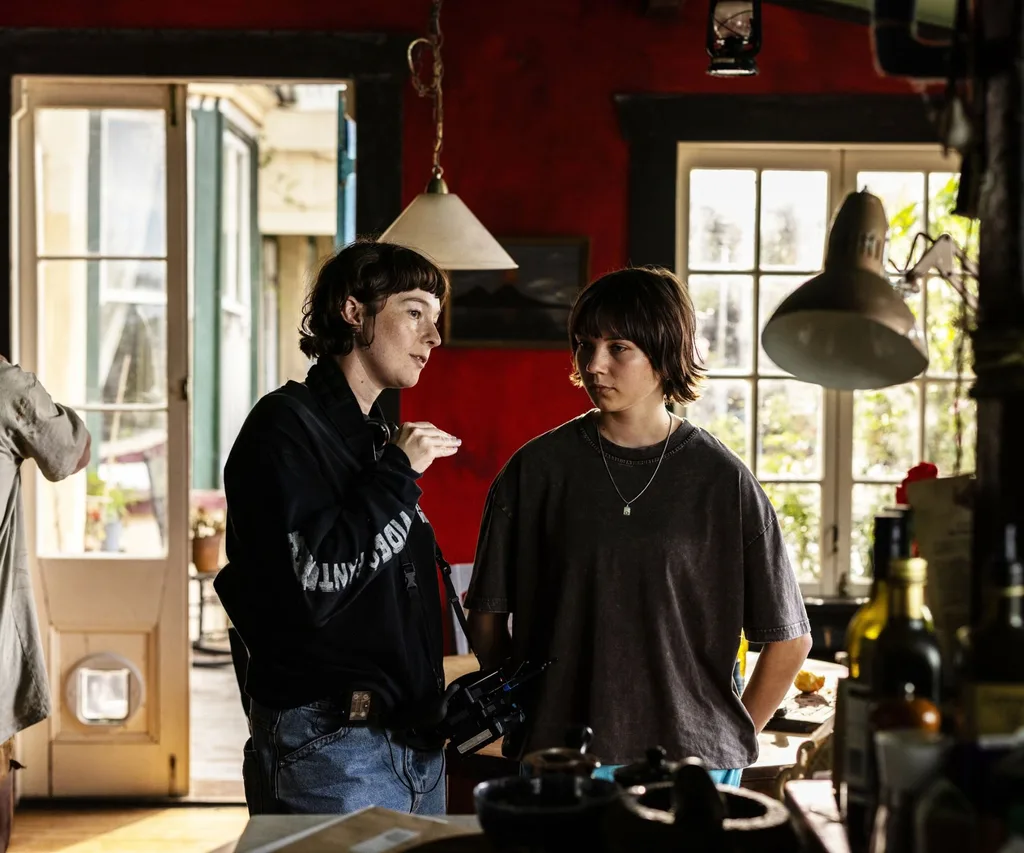
Two decades later, it’s that searching, uncertain teenager who sits at the heart of Paloma’s feature directorial debut, Big Girls Don’t Cry. The film follows a pivotal summer in the life of 14-year-old Sid as she navigates shifting friendships, unexpected crushes, and the messy mistakes that come with desperately trying to figure out who you are and where you fit.

Returning to her teenage self
Over the seven years it took to bring the movie to the screen, Paloma kept returning to the teenager she once was, sitting in the darkness of that Matakana cinema, and asking herself what could have eased the burden of those trying times.
“It’s the film that, maybe, if I had seen it when I was 14 years old, it would have made things a little easier,” she reflects.
“I was always going back to, ‘What did she need to know?’”
But reaching back into those vulnerable years wasn’t always easy. One of the hardest parts of writing the story was deciding how much of herself she was prepared to put on screen.
Realising she wasn’t alone
In her early twenties, she didn’t often speak about those awkward teenage moments that shaped her. It wasn’t until other friends shared their experiences that Paloma realised just how universal that feeling was.
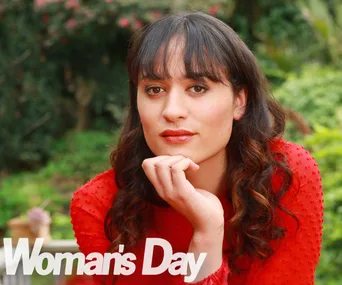
“We all had this weird shame and repressed memory of adolescence that for some reason, we couldn’t talk about,” she explains.
“But when one of us opened up, everyone started being like, ‘Oh, that happened to me too.’ I thought, ‘Why are we not talking about this?’”
That realisation gave her permission to draw on her past, while also understanding she didn’t need to expose every single heartbreak.
“If I read the first draft today, it would be verbatim my life,” she says.
“But the more realistic the idea of shooting it was, the more I felt the need to distance myself from it.”
As she prepares to release the film in New Zealand, Paloma has barely had a moment to absorb just how much her life has changed.
Why being seen matters most
Gone are the days of piecing together jobs to make a living between projects. Now, she’s barely slept in her own bed in the past year as she’s been constantly on planes, travelling to various international film festivals for work.
Along the way, she has fulfilled a childhood dream of appearing at the Sundance Film Festival and experienced the surreal moment of being presented with the Grand Prix at the Biarritz Film Festival by actress Kristen Stewart.
Yet for all the international acclaim, it’s the response from much closer to home that has touched Paloma most.
“It’s been quite surreal because I’m connecting with people I didn’t expect to, but there’s the added layer of a very niche group of friends who grew up in rural Matakana at a time when it didn’t feel super-comfortable to be your authentic self,” she says.
“The affirmation from those people is that it’s nice to be seen.”
Big Girls Don’t Cry is in cinemas Thursday, October 8.